Colorado Car Accident Lawyer: What to Know Before You Talk to an Insurance Adjuster
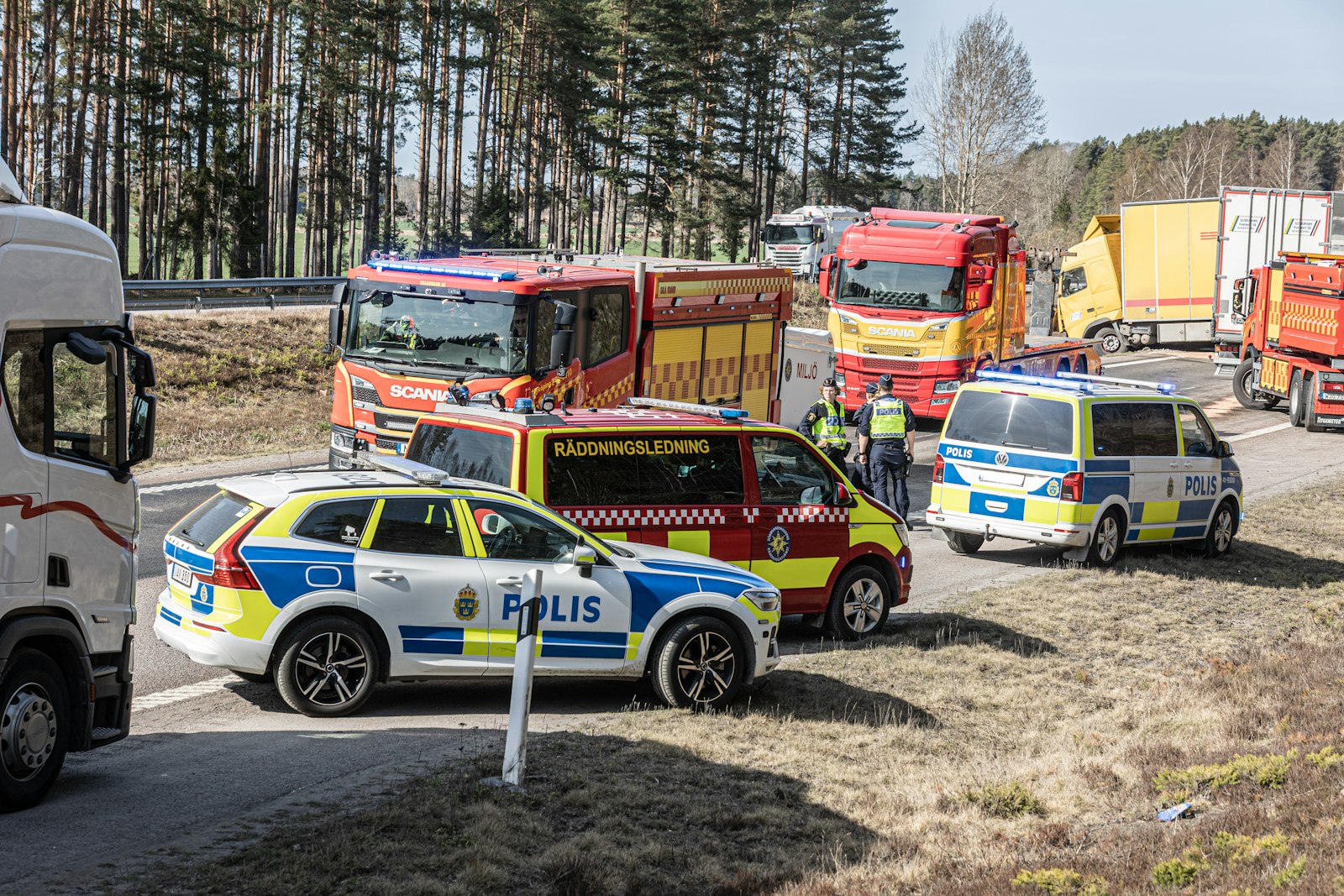
If you've been hit on I-25, rear-ended on the I-70 corridor coming back from the mountains, or T-boned at a Denver intersection, the next 30 days will set the tone for everything that follows — your medical recovery, your insurance settlement, and whether you end up walking away whole or out tens of thousands of dollars. Colorado's accident-law landscape has a few features that catch people off guard: a longer statute of limitations than most states, a "modified comparative negligence" rule that bars recovery if you're 50% or more at fault, a noneconomic-damages cap that adjusts each year, and an at-fault liability system rather than the no-fault PIP system Colorado used to have. This guide walks through the law, what real Colorado drivers are asking on Reddit and in legal forums after a crash, and how to know whether your situation is one a Colorado car accident lawyer should be looking at.
For broader context on Colorado legal news, see our profile of Colorado Attorney General Phil Weiser.
Colorado is an at-fault state — what that actually means for you
Colorado moved away from a no-fault auto-insurance system in 2003 and is now a tort-liability ("at-fault") state. In practice that means the driver who caused the crash — and that driver's insurance carrier — is responsible for paying the damages caused by the crash. There is no mandatory Personal Injury Protection (PIP) coverage in Colorado. If you're hurt, your medical bills are typically paid by the at-fault driver's bodily-injury liability coverage; if you're at fault, your own coverage pays the other driver's damages.
That makes Colorado different from "no-fault" states like Florida, Michigan, and New York where each driver's own PIP policy pays the first layer of medical bills regardless of fault. In Colorado, fault matters from the first call to the insurance adjuster — and the at-fault driver's insurer is incentivized to question whether your share of fault is actually higher than you think.
Modified comparative negligence: the 50% rule
Colorado's comparative-negligence rule — codified at C.R.S. § 13-21-111 — applies a "50% bar" to negligence claims. If you are found less than 50% at fault for the crash, you can still recover damages, but they're reduced by your percentage of fault. If you're found 50% or more at fault, you recover nothing.
That threshold is where insurance defense work concentrates. Adjusters and defense counsel routinely argue that an injured driver was 50% or more at fault — even in cases where the underlying liability seems straightforward — because pushing past that threshold eliminates the claim entirely. A Colorado car accident lawyer's value-add in a contested-fault case is largely about preventing that argument from succeeding through evidence preservation, accident-reconstruction expert work, and traffic-citation analysis.
The Colorado statute of limitations: longer than most states
One of the most-missed details for Colorado accident victims: Colorado's statute of limitations for motor-vehicle personal injury is three years from the date of the crash, not the standard two years for general personal injury. The relevant statute is C.R.S. § 13-80-101(1)(n), which sets a three-year deadline specifically for actions arising out of motor vehicle accidents. Property-damage claims arising from the same crash also have a three-year limit. Wrongful-death claims have a two-year limit.
Three years sounds like plenty of time. It is not. Insurance carriers know that the longer a case sits, the more difficult it is to develop evidence — witness memory fades, vehicles are repaired or scrapped, scene conditions change, medical records get harder to assemble. A Colorado car accident attorney evaluating a stale case 30 months in is in a meaningfully worse position than one engaged 30 days in. Most Colorado plaintiff's lawyers will quietly tell you they prefer to be involved in the first 30 to 60 days.
Colorado's minimum auto-insurance requirements
Every driver in Colorado is required by C.R.S. § 10-4-619 to carry liability coverage at minimums of:
- $25,000 bodily injury per person
- $50,000 bodily injury per accident
- $15,000 property damage per accident
Often written as "25/50/15." Those minimums are low enough that a single moderately-serious crash routinely exceeds them. A weekend at Vail with an ER visit, an MRI, two weeks of physical therapy, and a totaled vehicle can push past $50,000 in damages without any catastrophic injury at all. When the at-fault driver carries only the state minimum, the recovery question very quickly becomes whether you have your own underinsured motorist (UIM) coverage to fill the gap.
UM/UIM coverage in Colorado: required to be offered, not required to be carried
Colorado law requires every auto insurer to offer uninsured motorist (UM) and underinsured motorist (UIM) coverage in amounts equal to the policyholder's bodily-injury liability limits. Drivers can decline that coverage in writing, and many do — typically without understanding what they're declining. The result: a meaningful share of Colorado drivers have no UM/UIM protection at all when they're hit by a driver carrying state-minimum coverage or no coverage. A Colorado car accident lawyer's first phone call after engagement is often to the client's own insurer to identify the UM/UIM stack — sometimes including stacking across vehicles in the same household — that's available to fill the gap.
What real Colorado drivers are asking after a crash
The questions Colorado accident victims actually ask in public forums tell you more about where the system breaks down for ordinary people than any insurance brochure does. A representative sample from r/Denver, r/ColoradoSprings, r/ColoradoLegal, and r/legaladvice over the last two years:
- "After a car accident in Denver should I be talking to a lawyer already?" — r/Denver thread with 37 comments. The recurring answer from people who've been through it: yes, before talking to the at-fault driver's insurance adjuster.
- "Looking for a car accident lawyer in Denver, not sure where to start" — 43-comment thread on r/Denver with locals trading recommendations and warning about the heaviest-marketing firms.
- "Do you need a lawyer after a car accident in Denver, Colorado?" — r/ColoradoLegal thread with practitioners weighing in on when a lawyer adds value vs. when the case is small enough to handle direct.
- "Looking for a car accident attorney in Colorado Springs" — r/ColoradoLegal Springs-specific thread.
- "Car totaled in accident, I wasn't at-fault. Can I go after driver for negligence?" — r/legaladvice (Colorado) covering the difference between an insurance claim and a separate civil action.
- "The at-fault insurance is trying to contact us for a settlement" — r/legaladvice thread on whether to take a quick offer (almost always no, before injuries are fully evaluated).
- "Personal injury lawyer after car accident with underinsured motorist — good idea and when?" — r/legaladvice UIM thread, which mirrors the most common Colorado scenario: state-minimum at-fault driver, victim's recovery depends on their own UIM stack.
- "Has your car insurance gone up astronomically?" — r/Denver thread with 123 comments documenting the rate environment Colorado drivers are dealing with as they decide on coverage levels.
- "Car Accident Update — 6 Months Later" — r/Denver outcome thread from a Colorado driver walking through the timeline from crash to settlement.
The pattern across all of these threads: Colorado drivers consistently underestimate the value of getting a personal-injury lawyer involved early, and consistently overestimate the willingness of an at-fault insurance carrier to make them whole without one.
What to do in the first 72 hours after a Colorado car accident
- Call 911 and get a police report. Colorado requires drivers to report any crash involving injury, death, or property damage in excess of $1,000 to law enforcement. The official accident report becomes a foundational piece of evidence later. Get the report number from the responding officer.
- Document the scene. Photos of vehicle positions, damage on every vehicle, license plates, road conditions, traffic signals, skid marks. Photos of the other driver's insurance card, license, and registration. Names and phone numbers of any witnesses — civilian witness statements are disproportionately valuable in disputed-fault cases.
- Get medical attention same-day. Even if you feel fine. Whiplash, concussion, and soft-tissue injuries often present 24–72 hours later. The medical record from the day of the crash is what links your later treatment to the accident, and insurers use any gap to argue the injury isn't crash-related.
- Notify your own insurer — but say less than you think. You're required to report the crash. You're not required to give a recorded statement, speculate about fault, or estimate your injuries before you've been medically evaluated. "I was in an accident, I'm being evaluated, I'll follow up" is sufficient initial notification.
- Do not give the at-fault driver's insurer a recorded statement. They will call within days, will be friendly, will ask questions designed to develop comparative-fault evidence against you. Decline politely. If you have counsel by that point, route them to your lawyer.
- Preserve your vehicle. Don't let the insurer total it and tow it before your lawyer (or you) have photographed it thoroughly. The vehicle is evidence.
- Call a Colorado car accident lawyer for a free consultation. Almost every Colorado plaintiff's personal-injury firm offers free initial consultations and works on contingency — you pay nothing unless they recover for you. The conversation costs nothing and tells you whether your case warrants representation.
When you actually need a Colorado car accident lawyer
Not every fender-bender needs a lawyer. The cases where Colorado plaintiff's personal-injury counsel reliably adds value:
- Any crash with injuries that require ongoing medical treatment beyond a single ER visit
- Disputed liability — the other driver or their insurer is contesting fault, or there's a citation against you
- Multiple vehicles involved (chain-reaction crashes routinely have multiple insurers)
- Commercial vehicles, rideshare drivers, or company vehicles (different insurance structures, often higher coverage)
- Uninsured or underinsured at-fault driver (UM/UIM claims against your own carrier are a different ballgame than third-party claims)
- Catastrophic injuries — TBI, spinal cord, fracture surgeries, anything that affects long-term earning capacity
- The insurance company has made an early settlement offer before you've finished medical treatment
- You're approaching the three-year statute of limitations
Finding a Colorado car accident lawyer: what to look for
Colorado's plaintiff's personal-injury bar is concentrated in Denver, Colorado Springs, Boulder, and the I-25 corridor. The Front Range firms with substantial trial-verdict track records — meaning they don't just settle, they try cases when offers are inadequate — are typically the right call for any case with serious injuries or contested liability. Things to check before signing a fee agreement:
- Bar standing. Verify any Colorado lawyer's license at the Colorado Supreme Court Office of Attorney Regulation Counsel. Look for any disciplinary history.
- Trial track record. Any Colorado car accident attorney can settle. Far fewer have meaningful jury verdicts. Insurance carriers know which firms try cases and price offers accordingly.
- Contingency fee structure. Standard Colorado contingency is 33%–40% of recovery, with the higher end if the case goes to suit or trial. The fee agreement should be in writing, should state who pays case costs (medical-record copies, expert fees, court filing fees) and when, and should disclose any referral relationships.
- Caseload and communication. A lawyer who calls you back within 48 hours during the consultation phase will likely call you back within 48 hours later in the case. A lawyer who's hard to reach before signing will be harder to reach after.
- Specialization. Personal-injury work is its own discipline. A Colorado lawyer whose practice is 80%+ personal injury is going to outperform a generalist on a contested PI case.
Geographic notes for the major Colorado markets
Denver metro. Highest crash volume, deepest plaintiff's bar. Most Denver-based personal-injury firms cover the entire metro including Aurora, Arvada, Lakewood, Centennial, Westminster, and the I-25/I-70 corridors.
Colorado Springs. Second-largest market with its own concentration of personal-injury firms, including practitioners with deep experience in the I-25 commuting corridor and military-vehicle and rental-vehicle cases involving Fort Carson, Peterson Space Force Base, and the Air Force Academy.
Boulder, Fort Collins, Loveland. Mountain-corridor and Front Range North firms with strong DUI-defense and victim-side personal-injury practices. Crash volumes on US-36 and I-25 north are substantial.
Pueblo, Grand Junction, the Western Slope. Smaller plaintiff's bar but multiple experienced firms. Crashes involving I-70 mountain conditions, semi-trucks, and tourist drivers are common case types.
Frequently asked questions
How long do I have to file a Colorado car accident lawsuit?
Three years from the date of the crash for personal injury and property damage claims arising from a motor vehicle accident, under C.R.S. § 13-80-101(1)(n). Wrongful-death claims have a two-year limit. There are limited exceptions that can extend or shorten these limits — for example, claims against governmental entities require a 182-day notice of claim under the Colorado Governmental Immunity Act. If your case involves any unusual factor, the conservative move is to assume a shorter deadline applies and engage counsel quickly.
Can I still recover if I was partly at fault for the Colorado crash?
Yes, as long as your share of fault is less than 50%. Colorado follows a modified comparative negligence rule under C.R.S. § 13-21-111: your damages are reduced by your percentage of fault, and you recover nothing if you're 50% or more at fault. This is why insurance defense lawyers fight aggressively to push the injured driver's fault percentage above the 50% bar.
What's the average car accident settlement in Colorado?
There is no meaningful "average" — settlements range from a few thousand dollars for minor property-damage-only claims to seven and eight figures for catastrophic-injury and wrongful-death cases. The variables that actually move settlement value are: severity and permanence of injury, treatment cost and duration, lost earnings, fault clarity, applicable insurance coverage limits, and venue. A Colorado car accident lawyer can give you a realistic value range after reviewing your medical records and the police report.
Will my own insurance rates go up if I file a claim against the at-fault driver?
Generally no, if you were not at fault and the claim is against the at-fault driver's carrier. Colorado law restricts insurers from raising rates based on a not-at-fault claim, and major Colorado carriers track fault-allocation data internally. If you are using your own UM/UIM coverage because the at-fault driver was uninsured or underinsured, that's also typically not a chargeable claim. Talk to an independent agent if your renewal rates increase after a not-at-fault claim — there are remedies through the Colorado Division of Insurance.
How much does a Colorado car accident lawyer cost?
Most Colorado personal-injury attorneys work on contingency, typically 33% of the recovery if the case settles before suit is filed and 40% if it goes into litigation. You pay nothing up front; you pay nothing if there is no recovery. Case costs (filing fees, deposition transcripts, expert fees, medical record copies) are usually advanced by the firm and recouped from the recovery at the end. Always read the fee agreement carefully and ask for the firm's costs-handling policy in writing.
Sources
- Colorado Revised Statutes Title 13 (Civil Law) — including C.R.S. § 13-21-111 (comparative negligence) and § 13-80-101(1)(n) (statute of limitations for motor-vehicle actions). Available at Colorado General Assembly.
- Colorado Revised Statutes Title 10 (Insurance) — including C.R.S. § 10-4-619 (minimum auto liability coverage) and § 10-4-609 (UM/UIM offer requirements).
- Colorado Division of Insurance — auto insurance consumer information, complaint filing.
- Colorado Supreme Court Office of Attorney Regulation Counsel — verify any Colorado lawyer's license and disciplinary history.
- Colorado Department of Transportation Traffic Safety — crash data and statistics for Colorado roads.
- r/Denver — community discussions on Colorado car accidents and lawyers (linked throughout the article).
- r/ColoradoLegal — Colorado-specific legal advice forum.
- r/ColoradoSprings — Colorado Springs community discussions.
- r/legaladvice — general legal-advice forum with Colorado-tagged threads.
This article is general legal information, not legal advice. Every car accident is different, and the specific facts of your case — the police report, your injuries, the insurance coverage available, the venue — change the analysis substantially. If you've been in a Colorado car accident, talk to a Colorado-licensed personal injury lawyer for a case-specific evaluation. Most Colorado car accident lawyers offer free consultations on a contingency-fee basis.