Stanford Names Timothy Lynch General Counsel as Debra Zumwalt Retires
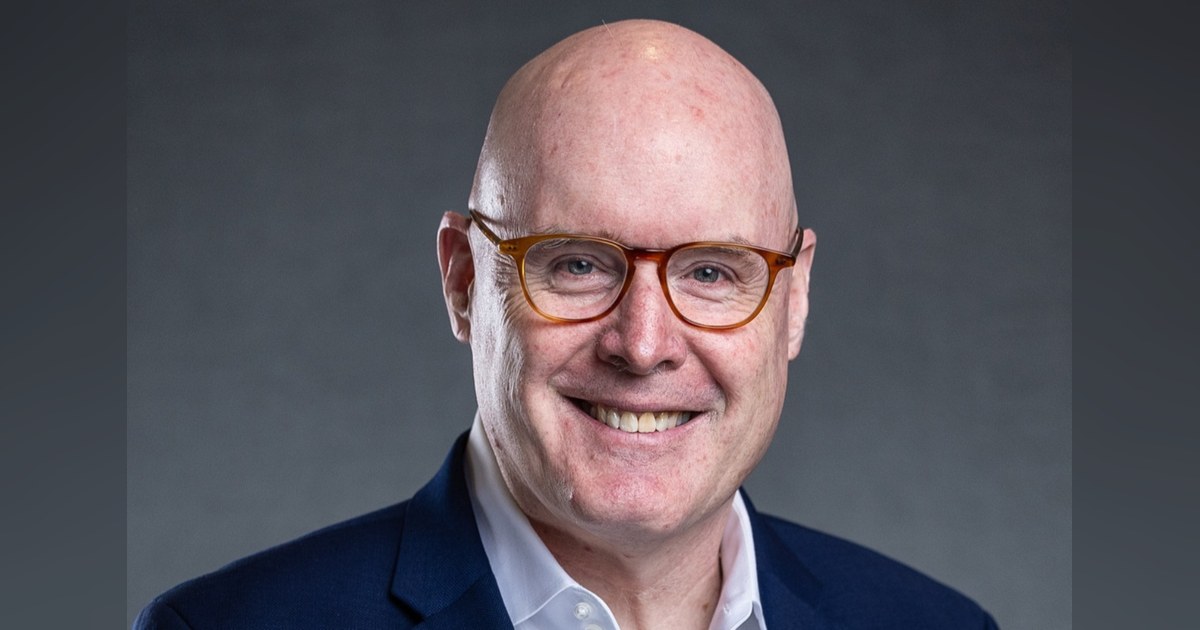
Stanford University is replacing the lawyer who ran its legal operation for a quarter century. Timothy G. Lynch, who spent 13 years as vice president and general counsel at the University of Michigan, becomes Stanford's vice president and general counsel on August 31, 2026. He succeeds Debra Zumwalt, who announced in January that she would retire at the end of August after 26 years in the role and 39 years at the university.
The handoff comes as Stanford's legal office takes on work that barely existed when Zumwalt started. One piece of that expansion sits with Jennifer Zimbroff, the office's Deputy General Counsel and Managing Attorney, who serves as the primary attorney for Stanford Athletics.
Debra Zumwalt closes 26 years as general counsel

Zumwalt graduated from Stanford Law School in 1979 and built her early career at Pillsbury Winthrop Shaw Pittman, where she made partner. She first joined Stanford's staff in 1987 as senior university counsel, left, and returned in 2000 to lead the office.
She inherited four full-time lawyers. The office she leaves handles legal work for Stanford University, Stanford Hospital, Lucile Packard Children's Hospital, Stanford Management Company, and the SLAC National Accelerator Laboratory. Everything at Stanford gets legal services from that office, Zumwalt told Stanford Report, and she called the result "a big portfolio."
In the 1990s she directed Stanford's response to the federal indirect cost controversy, which brought government investigations, congressional hearings, and litigation after whistleblower allegations about research billing. She personally handled the whistleblower suit that followed, won dismissal, and held the result on appeal. Later she guided the university through its separation from the UCSF hospital merger and the rebuilding of the hospital enterprise inside Stanford's structure.
Stanford President Jonathan Levin said the university "has been truly fortunate to have Debra's leadership as our general counsel." President Emeritus John Hennessy called her "an extraordinary general counsel for Stanford" and pointed to the wisdom that "made her a valued counselor." Lloyd Minor, dean of the School of Medicine, said her guidance "has shaped our progress in lasting ways."
Zumwalt put the decision down to timing. "I love working at Stanford and am grateful for the opportunity to help Stanford achieve its goals," she said, noting she had been at the university since 1987 and that "the time has come for me to step back." She received the Transformative Leadership Award from Inside Counsel in 2012.
Timothy G. Lynch arrives from Michigan
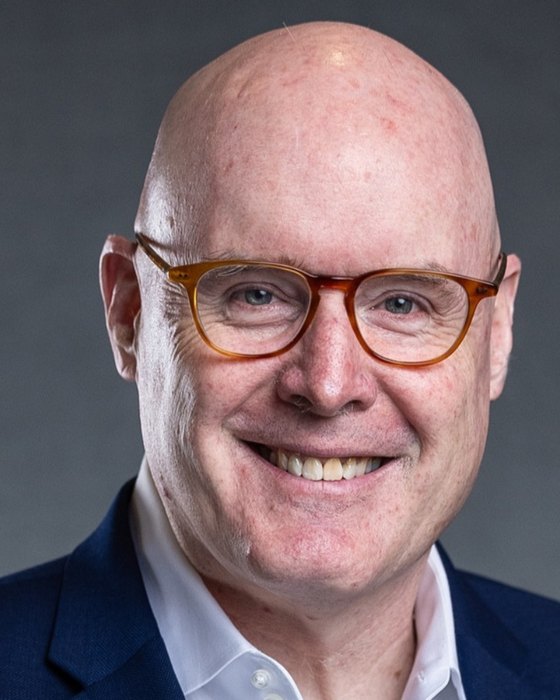
At Michigan, Lynch advised university leadership on research, governance, compliance, athletics, academic medicine, and federal matters. Before that he was acting general counsel and deputy general counsel for litigation and enforcement at the U.S. Department of Energy. He spent seven years as an assistant U.S. attorney in the District of Columbia, working as a senior prosecutor in the fraud and public corruption section, and practiced at Shea & Gardner in Washington. He clerked for Judge Cornelia G. Kennedy on the Sixth Circuit.
He earned his law degree at Georgetown, where he was editor-in-chief of the Georgetown Law Journal, after a bachelor's in English and economics at the University of Rochester. He has taught as an adjunct at Michigan Law and Georgetown and lectured at the University of Virginia School of Law. He recently finished a term as chair of the National Association of College and University Attorneys.
Levin said Lynch "brings deep knowledge of the national landscape and a sophisticated understanding of universities and their distinctive mission." Provost Jenny Martinez, who co-chaired the search, said he "exemplifies the role of general counsel," describing him as a lawyer who understands the institution. Professor Emeritus Jay Mitchell, the other co-chair, said the committee wanted someone who could "engage collaboratively with faculty and other community members."
Zumwalt endorsed her successor directly. "Tim is an excellent attorney and leader," she said. "At Michigan, he has dealt with many of the same university and healthcare issues."
Lynch said the appeal was the institution. "Stanford is such a truly unique, special place. I'm deeply excited to support what Stanford represents," he said, adding that "the breadth and diversity of work that comes to a general counsel's office at a research-intensive university like Michigan or Stanford is unsurpassed." Asked about his first priority, he said it would be "to make sure we are all doing our very best every day." His son graduated from Stanford.
Michigan announced its own succession the same day. Patty Petrowski, associate vice president and deputy general counsel since 2014, takes over. Michigan President Domenico Grasso said Lynch's "impact on the University of Michigan has been profound," and board chair Michael J. Behm credited his "deep legal expertise, professionalism, and steady leadership" through what he called some of the university's most consequential moments. Lynch called his time there "an extraordinary privilege."
Jennifer Zimbroff serves as primary attorney for Stanford Athletics
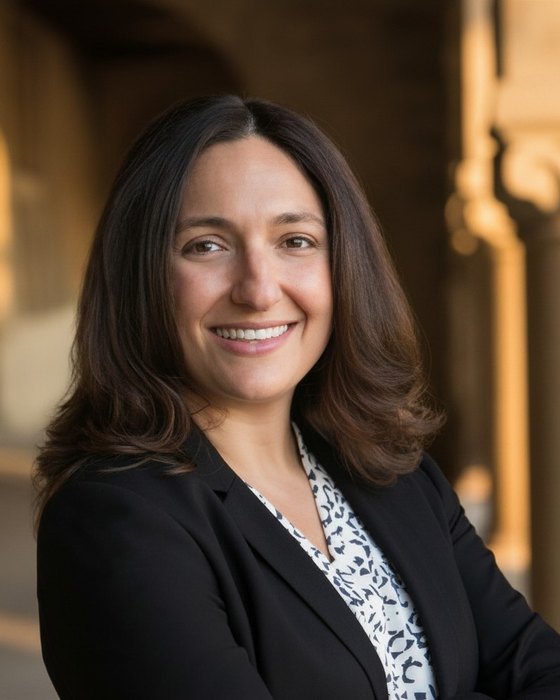
Jennifer Zimbroff is the Deputy General Counsel and Managing Attorney in Stanford's Office of the General Counsel. She oversees attorneys and staff; advises on legal and reputational issues; oversees litigation, investigations and subpoenas; counsels on a wide range of issues; and serves as the primary attorney for Stanford Athletics.
Stanford Athletics faces issues that did not exist when Zumwalt took over the office in 2000. Revenue sharing; name, image and likeness opportunities for student athletes; proposed legislation; and potential conference realignment are some of the issues facing major athletics departments. Stanford athletes are among the plaintiffs in antitrust litigation against the NCAA and the Power 4 conferences over NIL compensation caps. The department fields 36 varsity teams and competes in the Atlantic Coast Conference.
Zimbroff joined Stanford in 2014 from Princeton, where she was assistant university counsel. Before moving in-house she practiced labor and employment law at Mitchell Silberberg & Knupp and litigation at Latham & Watkins, both in Los Angeles. She earned a bachelor's degree with honors from Stanford and her law degree from Duke, where she was an extern in the Duke University Office of Counsel. She has been licensed in California since 2008.
She sits on the board of directors of the National Association of College and University Attorneys for the 2025 to 2028 term, the same organization Lynch recently chaired. She has also written on antitrust exposure in higher education, including a NACUA NOTES analysis published in 2015.
What the transition says about university legal offices
Stanford went outside for a general counsel with peer-institution experience instead of promoting internally or recruiting from a law firm. MitchelLake, which tracks senior appointments, read the choice as a preference for someone who already understands federal grant compliance and the relationship between large research universities and Washington. The two universities have similar legal footprints, with academic medical centers, large sponsored research portfolios, and Division I athletics programs on both campuses.
Zumwalt's office grew along the same lines over 26 years. Four lawyers became a group covering a university, two hospitals, an investment company, and a national laboratory, with a deputy general counsel serving as the primary attorney for athletics. Lynch inherits that structure on August 31.
Frequently asked questions
Who is Stanford University's new general counsel?
Timothy G. Lynch becomes Stanford's vice president and general counsel on August 31, 2026. He served as vice president and general counsel at the University of Michigan for 13 years and previously held senior roles at the U.S. Department of Energy and the U.S. Attorney's Office for the District of Columbia.
Why is Debra Zumwalt leaving Stanford?
Zumwalt is retiring. She announced in January 2026 that she would step down at the end of August after 26 years as general counsel and 39 years at Stanford. She said she loves working at Stanford and that the time had come for her to step back.
What is Jennifer Zimbroff's role at Stanford?
Zimbroff is the Deputy General Counsel and Managing Attorney in Stanford's Office of the General Counsel. She serves as the primary attorney for Stanford Athletics.
Who replaces Timothy Lynch at the University of Michigan?
Patty Petrowski, associate vice president and deputy general counsel at Michigan since 2014. She is a Michigan Law graduate and was previously a partner at Sidley Austin in Chicago, where she represented research universities and academic medical centers.
What does a university general counsel do?
A university general counsel leads the institution's in-house legal office. At a research university the portfolio typically covers governance, employment, student affairs, research compliance, intellectual property, real estate, litigation, and federal regulatory matters. Where the university operates hospitals, a national laboratory, or a Division I athletics program, those fall under the office as well.
Sources
- Stanford Report, Stanford University: Timothy G. Lynch named Stanford's new general counsel. Appointment announcement, July 8, 2026, with quotes from Jonathan Levin, Jenny Martinez, Jay Mitchell, Debra Zumwalt, and Lynch. Source of the Lynch portrait.
- Stanford Report, Stanford University: Debra Zumwalt to retire after 26 years as general counsel. Retirement announcement, January 13, 2026, with quotes from Levin, John Hennessy, Lloyd Minor, and Zumwalt, and the account of the indirect cost matter and hospital restructuring. Source of the Zumwalt portrait.
- The University Record, University of Michigan: General Counsel Timothy Lynch to depart Michigan for Stanford; Patty Petrowski appointed successor. Michigan tenure, departure, and successor details, July 8, 2026.
- Stanford Athletics: Jennifer Zimbroff staff biography. Official confirmation of her role and its scope. Source of the Zimbroff portrait.
- MitchelLake: Stanford University leadership change. Industry analysis of the appointment, July 9, 2026.
- Corporate Counsel, Law.com: Stanford hires University of Michigan general counsel Timothy Lynch as top lawyer. Trade press coverage, July 9, 2026. Subscription required.
- State Bar of California: Jennifer Amy Zimbroff, License No. 260681. Admission year and license status.
Reporting compiled from the official announcements and public records linked above. Quotations are reproduced as published by their original sources. This article is journalism about a personnel change at a university legal office. It is not legal advice, it is not an endorsement of any individual or institution, and it creates no attorney-client relationship.
Portraits of Debra Zumwalt and Timothy G. Lynch published by Stanford Report. Portrait of Jennifer Zimbroff published by Stanford Athletics. Both sources are linked above. Images are used to illustrate reporting about the individuals shown.