Someone Hit My Parked Car and Drove Off: What a Redditor Learned About Getting Paid
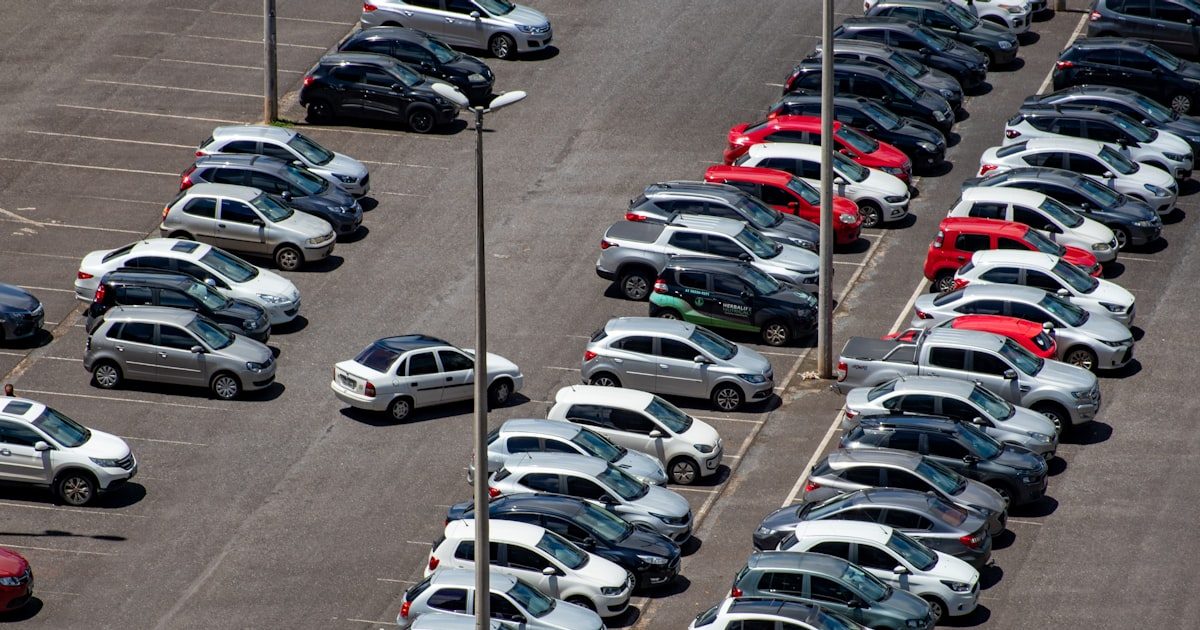
The story shows up on legal advice forums constantly, in some version: someone walks out to the parking lot, finds a fresh dent and a scrape of someone else's paint on their bumper, and no note on the windshield. One Redditor described coming back from a two-hour shift to a caved-in rear quarter panel and a sinking realization that whoever did it was long gone. The replies were full of people who had been there, and the practical advice that followed is worth collecting in one place.
A hit-and-run on a parked car is frustrating because the person responsible is often never found. But you usually have more options than you think, and the steps you take in the first hour matter more than almost anything else.
What to do in the first hour
Before you move the car or run errands, do these things:
- Document everything. Photograph the damage from multiple angles, wide and close. Capture any transferred paint, the position of your car, and the surrounding area, including nearby buildings.
- Look for witnesses and cameras. Check whether a storefront, parking garage, doorbell camera, or traffic camera might have caught it. Ask nearby businesses whether they will preserve footage; many overwrite it within days.
- Check for a note, then check again. Notes blow off windshields and slide under wipers. Look around the car and on the ground.
- File a police report. Even for a parked-car hit-and-run with no suspect, a report creates an official record. Most insurers require one before they will pay an uninsured-driver or collision claim, and it is often free to file online for minor property damage.
Which insurance actually pays
This is where Redditors most often get surprised, in both directions. Whether you are covered, and by whom, depends on the coverage you carry:
- If the driver is identified, their liability insurance should pay for your repairs, the same as any at-fault collision.
- If the driver is never found, your own collision coverage will typically pay, minus your deductible. Many people forget they have it.
- Uninsured motorist property damage coverage, where your state offers it, can sometimes cover a hit-and-run and may waive or reduce your deductible. The rules vary by state, so ask your insurer specifically about hit-and-run scenarios.
- If you only carry liability, you may be out of pocket unless the driver is found. Liability covers damage you cause to others, not damage others cause to you.
One point that comes up again and again: filing a claim for a hit-and-run you did not cause should not raise your rates the way an at-fault accident does, but practices vary by insurer and state. Ask before you assume.
When it's worth pursuing further
If the damage is minor and below your deductible, many people simply pay for the repair and move on. When the damage is significant, or when there is real evidence pointing to a specific driver, it can be worth more. A license plate from a camera, a witness who got a description, or a business willing to share footage can turn an unsolved hit-and-run into a liability claim against the at-fault driver. In cases with serious damage and a known driver who refuses to cooperate, the same playbook that applies to any property-damage dispute applies here, including the option to take a claim to court or small claims for the repair cost.
The throughline from every version of this thread is the same: the people who got paid were the ones who documented the scene immediately, filed the police report, and called their own insurer to find out exactly what their policy covered, rather than assuming they were out of luck.
Frequently Asked Questions
Will my insurance cover a hit-and-run on my parked car?
Usually yes, if you carry collision coverage, which pays for the repair minus your deductible even when the other driver is never found. Some states also offer uninsured motorist property damage coverage that may apply. Liability-only policies generally will not cover damage someone else caused to your car.
Should I file a police report if no one was hurt?
Yes. A police report creates an official record of the hit-and-run, and most insurers require one before paying a claim where the other driver is unknown. Many departments let you file minor property-damage reports online.
Will filing a hit-and-run claim raise my rates?
A claim where you were not at fault generally should not raise your rates the way an at-fault accident does, but this varies by insurer and state. Ask your insurer how a not-at-fault hit-and-run claim will be treated before you file.
What if the damage is less than my deductible?
If the repair costs less than your deductible, filing a collision claim will not get you a payout, so many people pay out of pocket. It can still be worth filing a police report in case the driver is later identified.
Sources
This article is general information, not legal advice, and is not affiliated with the message boards described. Coverage and reporting rules vary by state and policy; check with your own insurer and local authorities.
Featured image: photo by Vitor Paladini on Unsplash.