Miami Car Accident Lawyer: Florida No-Fault PIP, the Permanent-Injury Threshold, and What You Need to Know
Florida is one of the most distinctive auto-accident jurisdictions in the United States. The state runs on a no-fault Personal Injury Protection (PIP) framework that requires every Florida driver to carry $10,000 in PIP coverage and pays the first $10,000 of medical bills regardless of who caused the accident. Florida is also one of the few states with a "permanent injury" threshold that bars an injured driver from suing the at-fault driver for pain-and-suffering damages unless the injury crosses that threshold. The procedural sequence, the dollar mechanics, and the practical strategy for a Miami car accident case are different in important ways from what you'd see in any other major U.S. city. This guide walks through how Florida no-fault law actually works, the permanent-injury threshold cases turn on, the comparative-negligence rule that determines what an injured plaintiff actually recovers, and the practical sequence in which a Miami PI case moves through Miami-Dade County Circuit Court.
Florida no-fault PIP: the first $10,000 of medical bills
Under Florida Statute § 627.736, every Florida motor-vehicle owner must carry Personal Injury Protection (PIP) coverage of at least $10,000. After an accident, an injured driver, passenger, or pedestrian uses her own PIP coverage to pay the first $10,000 of medical bills and 60 percent of lost wages, regardless of who caused the accident. The PIP carrier pays first; the at-fault driver's liability insurance comes in only for damages beyond the PIP coverage.
The mechanics of PIP in Florida have several features that catch out-of-state drivers off guard:
- The 14-day rule. The injured party must seek initial medical treatment within 14 days of the accident to be eligible for any PIP benefits. Miss the 14-day window and PIP coverage is forfeit entirely. This rule produces a substantial number of cases where injured plaintiffs lose their PIP coverage because they didn't realize how short the window is.
- The "emergency medical condition" (EMC) determination. PIP pays the full $10,000 only if a qualified medical provider determines the injury constitutes an emergency medical condition. Without an EMC determination, PIP coverage is capped at $2,500. The EMC determination is medical, not legal — but the practical effect is that an injured plaintiff with a soft-tissue injury and no EMC determination has only $2,500 of medical-bill coverage instead of $10,000.
- 80 percent of medical bills; 60 percent of lost wages. PIP doesn't pay 100 percent of bills. The 80/60 split is the statutory framework.
- The PIP carrier subrogates against the at-fault driver. When the injured plaintiff later recovers from the at-fault driver, the PIP carrier has a subrogation claim for the amounts it paid out. This claim is generally negotiated as part of the settlement and reduces the plaintiff's net recovery.
The permanent-injury threshold: when can you sue for pain and suffering?
Florida's no-fault system trades a fast PIP recovery for restrictions on suing the at-fault driver for pain-and-suffering (non-economic) damages. Under Florida Statute § 627.737(2), an injured plaintiff cannot sue the at-fault driver for non-economic damages unless the injury meets one of four statutory thresholds:
- Significant and permanent loss of an important bodily function. The most commonly-invoked threshold. Documented through medical evaluation showing permanent functional loss.
- Permanent injury within a reasonable degree of medical probability. A medical professional must opine that the injury is permanent rather than temporary.
- Significant and permanent scarring or disfigurement. Visible permanent scarring from the accident.
- Death. Wrongful-death claims proceed under separate provisions.
The "permanent injury within a reasonable degree of medical probability" threshold is the one that drives most Florida PI cases. The threshold determination is fact-intensive, requires expert medical testimony, and is one of the most heavily contested issues at trial. Defense counsel pursues "no permanent injury" findings; plaintiff's counsel pursues "yes permanent injury" findings. The case value can change by a factor of five or more depending on which way the threshold determination comes out.
The threshold applies only to non-economic damages. Economic damages — medical bills above the PIP coverage, lost wages above PIP coverage, future medical expenses, future lost earnings — are recoverable from the at-fault driver without regard to the permanent-injury threshold. The threshold only limits recovery of pain-and-suffering categories.
Florida's comparative-negligence rule: the 50-percent line
Florida amended its comparative-negligence statute in March 2023. Under the current rule in Florida Statute § 768.81, an injured plaintiff who is found more than 50 percent at fault for her own injury cannot recover any damages from the other party. If the plaintiff's share of fault is 50 percent or less, she recovers but the recovery is reduced by her percentage of fault.
The 2023 amendment changed Florida from a "pure" comparative-negligence state (where any plaintiff could recover any percentage of damages) to a "modified" comparative-negligence state with the 51-percent bar. This change affects case strategy substantially. Pre-2023, a plaintiff 80 percent at fault could still recover 20 percent of damages from a defendant. Post-2023, the same plaintiff recovers nothing.
For accidents that occurred before the March 2023 amendment, the prior pure-comparative rule applies. For accidents on or after the amendment date, the 51-percent bar controls. The retroactivity question — which rule applies to which case — is settled by reference to the date of accident, not the date of filing.
The Miami-Dade Circuit Court: where Miami PI cases get filed
Personal-injury cases in Miami are filed in the 11th Judicial Circuit Court of Florida, which covers Miami-Dade County. The Circuit Court's Civil Division handles personal-injury cases above the small-claims threshold (currently $8,000 for County Court cases; PI cases involving the permanent-injury threshold almost always exceed that and are filed in Circuit Court).
Miami-Dade Circuit Court has a reputation for substantial plaintiff's verdicts on car-accident, premises-liability, and trucking cases. The bilingual jury pool, the dense urban demographic, and the long-standing plaintiff's-bar presence in South Florida produce verdict patterns that distinguish Miami from rural Florida venues. Defense counsel routinely files motions to transfer Miami PI cases to other venues when the substantive case has any nexus to a different county; plaintiff's counsel routinely files responses arguing the case belongs in Miami.
Statute of limitations: the recent change to 2 years
Florida's personal-injury statute of limitations was 4 years for many decades. The 2023 tort-reform legislation reduced the personal-injury statute of limitations to 2 years from the date of the accident for cases that accrued on or after March 24, 2023. The change was one of the most consequential elements of the 2023 reform package.
For accidents before March 24, 2023, the prior 4-year statute of limitations applies. For accidents on or after March 24, 2023, the new 2-year statute applies. The change has caught many out-of-state plaintiffs off-guard; the assumption that "Florida has a 4-year PI statute" is now wrong for any new accident.
The practical sequence: what a Miami PI case looks like in real time
- Medical treatment within 14 days. Critical for preserving PIP eligibility. The 14-day clock starts on the day of accident.
- PIP application and EMC determination. File the PIP claim with your own auto carrier. Obtain the EMC determination from a qualified medical provider. Use PIP coverage to pay initial medical bills.
- Permanent-injury evaluation. If the injury appears to be permanent, obtain medical evaluation specifically directed at the statutory threshold. The medical records and expert reports are the foundation for any subsequent tort recovery.
- Pre-suit demand to the at-fault driver's carrier. Plaintiff's counsel typically sends a demand letter to the at-fault driver's liability insurance carrier outlining damages and seeking pre-suit settlement. A substantial fraction of Miami PI cases resolve at this stage.
- Filing in 11th Judicial Circuit. If pre-suit resolution fails (or the 2-year statute is closing), the complaint is filed in Miami-Dade Circuit Court.
- Discovery. Document production, interrogatories, depositions of the plaintiff, the defendant, and treating physicians. Expert disclosures including the plaintiff's medical experts and any vocational or economic experts. Discovery in a Miami PI case typically runs 9 to 18 months.
- Mediation. Miami-Dade Circuit Court routinely orders mediation once discovery is complete. A substantial fraction of cases resolve at mediation.
- Trial. Cases that don't resolve at mediation proceed to trial. Trials typically run several days for routine cases, longer for complex injury or multi-defendant matters.
- Post-trial motions and appeal. Appeals from Miami-Dade Circuit Court go to the Third District Court of Appeal.
Total time from accident to resolution for a Miami PI case that goes to trial is typically 24 to 36 months. Cases that resolve at pre-suit demand or mediation resolve much faster.
What to look for in a Miami personal-injury attorney
- Florida no-fault PIP experience. Many out-of-state firms market in Miami; the ones with deep no-fault PIP practice are the ones to retain. The PIP framework is unique enough that a Miami PI attorney with five years of Florida-specific practice will outperform an out-of-state lawyer with twenty years of general PI experience.
- Track record on permanent-injury threshold cases. The threshold determination drives case value. An attorney with documented success on threshold-disputed cases is worth substantially more than one without.
- Spanish-language capability. A substantial fraction of Miami PI clients and witnesses are Spanish-dominant. Bilingual attorneys and bilingual staff matter in Miami in ways they don't in most U.S. PI venues.
- Fee structure clarity. Florida limits contingency-fee percentages by statute (Florida Bar Rule 4-1.5). The standard pre-suit fee is 33 1/3 percent of recovery; the standard post-suit fee is 40 percent; specific caps apply to medical-malpractice and other categories. An attorney should walk through the fee structure on initial consultation.
For Florida residents whose case touches the Florida Office of the Attorney General's consumer-protection function — separate from a private PI claim — our profile of current AG James Uthmeier walks through the AG office's stated priorities and the public-facing complaint intake.
Bottom line
Florida personal-injury law has more moving parts than most personal-injury jurisdictions. The no-fault PIP system pays the first $10,000 of medical bills regardless of fault but caps lost-wages recovery at 60 percent. The permanent-injury threshold determines whether the plaintiff can recover non-economic damages from the at-fault driver. The 2023 amendments shortened the statute of limitations to 2 years and changed Florida from a pure to a modified comparative-negligence state. Miami-Dade Circuit Court is the venue for substantial Miami PI litigation, with a plaintiff-favorable verdict history that defense counsel routinely attempts to escape through transfer motions. The right Miami personal-injury attorney is one who knows the Florida-specific framework cold, who has tried cases in Miami-Dade Circuit Court, and who can evaluate whether your specific case fits the patterns where Florida law works in your favor or against you.
Frequently asked questions
What is Florida's no-fault PIP system?
Florida requires every motor-vehicle owner to carry at least $10,000 in Personal Injury Protection (PIP) coverage under Florida Statute § 627.736. After an accident, the injured party uses her own PIP coverage to pay the first $10,000 of medical bills and 60 percent of lost wages, regardless of who caused the accident. PIP pays first; the at-fault driver's liability insurance comes in only for damages beyond PIP coverage. The injured party must seek initial medical treatment within 14 days of the accident to preserve PIP eligibility.
What is Florida's permanent-injury threshold?
Under Florida Statute § 627.737(2), an injured plaintiff cannot sue the at-fault driver for non-economic damages (pain and suffering, loss of consortium) unless the injury meets one of four statutory thresholds: significant and permanent loss of an important bodily function; permanent injury within a reasonable degree of medical probability; significant and permanent scarring or disfigurement; or death. Economic damages — medical bills, lost wages, future medical, future earnings — are recoverable without regard to the threshold.
How long do I have to file a personal-injury lawsuit in Florida?
Two years from the date of the accident for accidents on or after March 24, 2023, under the 2023 tort-reform amendments. For accidents before that date, the prior 4-year statute of limitations applies. The change has been one of the most consequential elements of recent Florida tort reform. Claims against state or local government entities operate under separate, shorter notice and limitations periods.
What is the comparative-negligence rule in Florida?
Florida is a modified comparative-negligence state with a 51-percent bar under Florida Statute § 768.81 as amended in March 2023. An injured plaintiff who is found more than 50 percent at fault cannot recover any damages. A plaintiff 50 percent or less at fault recovers, but the recovery is reduced by her percentage of fault. The 2023 change moved Florida from a pure comparative-negligence state to a modified one; accidents before that date are governed by the prior pure-comparative rule.
How much does a Miami personal-injury lawyer cost?
Most Miami PI attorneys work on contingency. Florida Bar Rule 4-1.5 sets statutory caps on contingency fees. The standard pre-suit fee is 33 1/3 percent of recovery; the standard post-suit fee is 40 percent. Higher percentages apply at recovery thresholds. Specific caps apply to medical-malpractice and certain other case categories. Most firms advance case costs (filing fees, expert witnesses, deposition costs) and recover those costs out of the settlement separately from the contingency percentage. Initial consultations are typically free.
Sources
- Florida Statute § 627.736 — Personal Injury Protection Benefits.
- Florida Statute § 768.81 — Comparative Negligence.
- Florida Statute § 627.737 — Tort Exemption, Permanent Injury Threshold.
- 11th Judicial Circuit Court of Florida (Miami-Dade) — jud11.flcourts.gov.
- The Florida Bar — floridabar.org lawyer referral service.
- Florida Department of Highway Safety and Motor Vehicles — flhsmv.gov for auto-insurance policy questions and SR-22 requirements.
- Florida Office of the Attorney General — myfloridalegal.com consumer-protection portal.
- Florida Bar Rule 4-1.5 — contingency-fee structure.
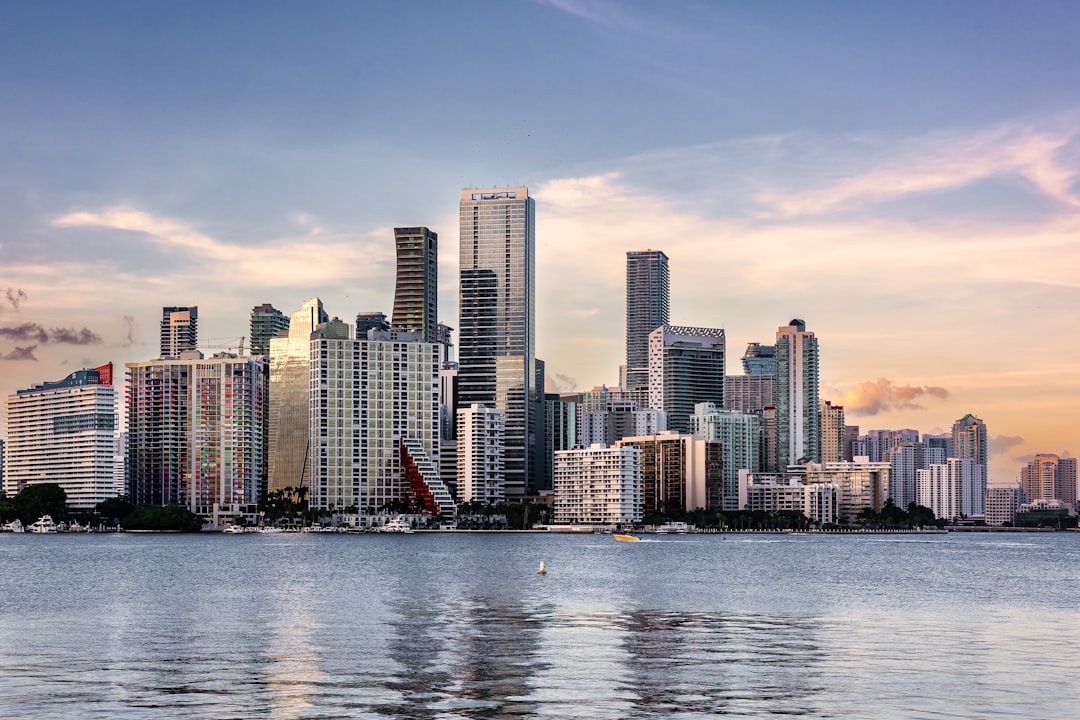
Featured image: photo by Rolando Yera on Unsplash.
This article is general legal information about Florida personal-injury law and is not legal advice. Every personal-injury case is specific to its facts, the parties' insurance coverage, and the applicable statute of limitations. If you have been injured in Florida, contact a Florida-licensed personal-injury attorney for case-specific evaluation. Most personal-injury attorneys offer free initial consultations.