Maryland Tax Attorney: When You Actually Need One vs. When a CPA Will Do
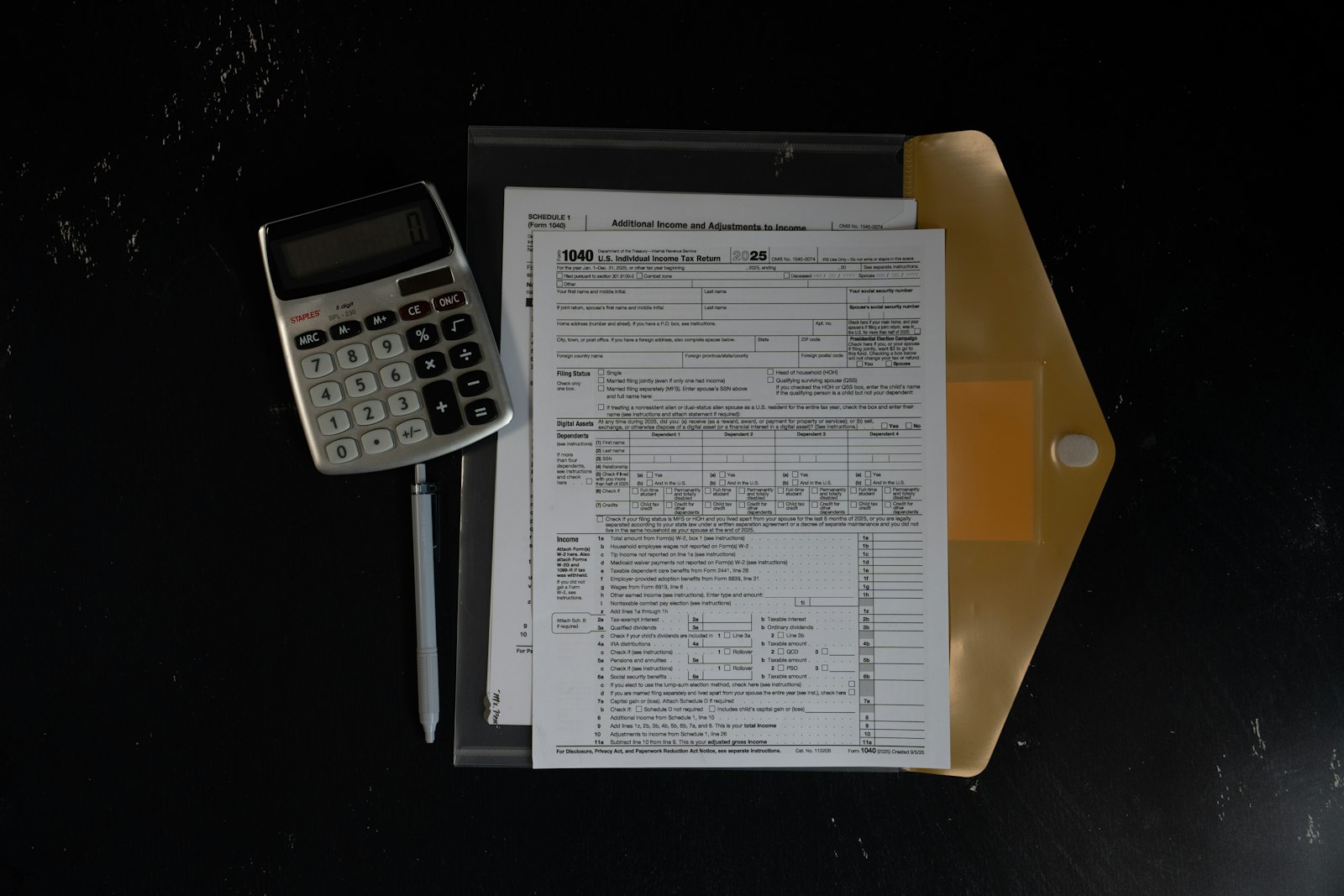
Tax problems in Maryland live at three levels at once: the IRS at the federal level, the Comptroller of Maryland at the state level, and county or city tax offices for property and certain local taxes. When Maryland taxpayers fall behind on filings, get audited, owe more than they can pay, or face an enforcement action, the strategy involves coordinating across all three levels because one agency's action can trigger another's. This guide walks Maryland taxpayers through the most common problems Marylanders actually run into — back taxes, audits, levies and liens, payment plans, and offers in compromise — what real Maryland taxpayers are asking on Reddit about Comptroller letters, and when a Maryland tax attorney is genuinely worth the fee versus when a CPA or enrolled agent will do the job.
For Maryland legal news context, see our profile of Maryland Attorney General Anthony Brown.
Federal vs. Maryland: who is collecting from you?
Three agencies actually collect taxes from Maryland residents and businesses, and each has its own collection-action toolkit:
- Internal Revenue Service (IRS). Federal income tax, federal payroll tax, federal estate tax. The IRS has the broadest enforcement powers — federal tax liens, levies on bank accounts and wages, seizure of property — but also the most structured taxpayer-rights system, including the Taxpayer Advocate Service, the U.S. Tax Court, and offer-in-compromise processes.
- Comptroller of Maryland. Maryland personal income tax, Maryland corporate income tax, Maryland sales-and-use tax, withholding tax, admissions and amusement tax, motor-fuel tax. The Comptroller's collections are run through the Compliance Division.
- Local jurisdictions. Maryland counties and Baltimore City collect property tax. Local recordation and transfer taxes apply to real-estate transactions. Local tax-sale procedures exist for delinquent property taxes.
The Comptroller of Maryland is unusual among state tax agencies in having a relatively aggressive enforcement posture — wage garnishments, bank-account levies, lottery-winnings interception, and license suspension are all available state-level remedies. The lottery-interception program in particular is well-known among Maryland taxpayers because the Comptroller can intercept any Maryland Lottery winning that exceeds $600 to apply against an outstanding state tax balance.
Maryland tax statute of limitations
- Federal assessment statute of limitations. Generally three years from the filing of the return (six years if a substantial understatement of income; no limit if no return was filed or if fraud).
- Federal collection statute of limitations. Ten years from the date of assessment for the IRS to collect, with various tolling events (offer in compromise, bankruptcy, certain installment-agreement requests).
- Maryland assessment statute of limitations. Generally three years from the filing of the Maryland return; longer in cases of substantial understatement or fraud.
- Maryland collection statute of limitations. Seven years from assessment under Maryland Tax-General Article § 13-1103, with similar tolling rules.
The federal/Maryland statute mismatch matters: a tax debt may be uncollectible federally but still collectible by the Maryland Comptroller, or vice versa. A Maryland tax attorney evaluating an old assessment routinely checks both clocks.
What real Maryland taxpayers are asking
- "I got a letter from the Comptroller of Maryland — what do I do?" Recurring r/maryland and r/personalfinance question. The letter type matters: an information-request letter is responded to differently than a Notice of Deficiency, which is responded to differently than a Notice of Levy. The first practical step is identifying the letter type by its form number and the deadline it imposes.
- "Maryland is garnishing my wages — can I stop it?" Yes, sometimes. Maryland wage garnishment for state taxes can be reduced, suspended, or terminated by establishing a payment plan, demonstrating financial hardship, or proving the underlying assessment is wrong. Speed matters — garnishments are easier to address before the first paycheck is captured than after.
- "I owe Maryland but I can't pay — can I do an offer in compromise?" Maryland has an offer-in-compromise program separate from the federal IRS OIC. The Maryland program is generally less generous than the federal program and approval rates are lower, but for the right fact pattern (limited income, limited assets, demonstrable hardship) it is worth pursuing.
- "My Maryland tax refund was intercepted — what happened?" Maryland intercepts state refunds for past-due taxes, child support, and certain other state debts. The Tax Refund Intercept Program (TRIP) is the system; the question is which underlying debt triggered the intercept and whether it was properly noticed.
- "I haven't filed Maryland taxes in years — what's the worst that can happen?" Failure-to-file is treated more seriously by both the IRS and the Maryland Comptroller than failure-to-pay. The Comptroller can file a Substitute for Return on the taxpayer's behalf, assess based on third-party data, and impose substantial interest and penalties. The non-filer is also exposed to potential criminal-tax liability — though Maryland criminal-tax prosecutions are uncommon and typically reserved for egregious cases.
- "What's the difference between a Maryland tax lien and a Maryland tax levy?" A lien is a claim against your property; a levy is the actual seizure of the property. Liens precede levies. A Notice of State Tax Lien is recorded in the land records of the county where the taxpayer resides, affects credit, and clouds title — but doesn't immediately take property.
Common Maryland tax problems and the actual remedies
Back taxes — federal and Maryland
The standard remedies for an unpaid balance:
- Pay in full if you can. Penalties and interest accrue daily.
- Installment agreement. Both the IRS and the Maryland Comptroller offer installment agreements. The IRS automatically approves "streamlined" installment agreements for balances under $50,000 (federal). Maryland has its own thresholds.
- Offer in compromise. Settle the debt for less than the full amount based on doubt as to liability, doubt as to collectibility, or effective tax administration. Federal OIC is more formalized and somewhat more accessible; Maryland OIC is more discretionary.
- Currently Not Collectible status. The IRS will suspend collection if you can demonstrate that paying would create a financial hardship. The status is reviewed periodically. Maryland has an analogous hardship designation.
- Bankruptcy. Some federal income-tax debts are dischargeable in Chapter 7 or Chapter 13 if they meet the three-year, two-year, and 240-day rules. Maryland tax debts can be dischargeable under similar conditions. Bankruptcy is a last-resort tool but is sometimes the cleanest path for a taxpayer with substantial non-tax debt as well.
Audits
Federal IRS audits and Maryland Comptroller audits run on different timelines and standards, but the playbook is similar: document everything, respond to specific requests rather than narrating, and avoid extending the assessment statute of limitations except where strategically beneficial. Most audits resolve at the examination level; only a small percentage proceed to Appeals or Tax Court.
Liens, levies, and seizures
Federal tax liens are filed in the land records of the county of residence and affect credit. Federal tax levies require a 30-day notice (the CP90 notice) and Collection Due Process appeal rights. Bank-account levies seize whatever is in the account on the day the levy is served (with limited exceptions). Wage levies are continuous — capturing a portion of every paycheck until released.
Maryland's analog is the Notice of State Tax Lien (recorded in county land records) and the wage-garnishment process under Tax-General Article § 13-815, which allows the Comptroller to garnish 25% of disposable wages.
When you actually need a Maryland tax attorney
Many tax problems are handled effectively by CPAs and enrolled agents. The categories where a Maryland tax attorney materially adds value:
- Any potential criminal-tax exposure (unfiled returns going back years, allegations of evasion, references to Title 26 § 7201 or similar)
- Tax Court litigation or Maryland Tax Court appeals
- Complex offers in compromise with both federal and Maryland components
- Trust fund recovery penalty cases (the IRS § 6672 personal liability for unpaid payroll taxes)
- Innocent-spouse or injured-spouse claims (the rules at the federal/Maryland intersection are nuanced)
- Tax aspects of divorce or business dissolution
- Estate-and-gift-tax planning above the federal exemption ($13.99 million per individual in 2025) or above the Maryland exemption ($5 million)
- Tax aspects of settlements (which damages are taxable, how attorney's fees are treated, whether the IRS Form 1099 a defendant intends to issue is correct)
- Foreign-account compliance (FBAR, Form 8938, voluntary-disclosure decisions)
- State residency disputes — Maryland challenges to non-residency claims by former Maryland taxpayers who have moved to lower-tax jurisdictions
Maryland tax attorney fees and what to expect
Maryland tax attorneys typically charge by the hour at rates ranging from $300 to $700+ per hour depending on the lawyer's experience and the firm. Some routine matters — installment-agreement applications, offer-in-compromise prep, response to a basic Comptroller letter — are quoted on a flat-fee basis. Tax-Court litigation and complex enforcement-defense matters are typically hourly. Most Maryland tax attorneys offer a free initial consultation and will tell you honestly whether your matter is one a CPA can handle just as well at lower cost.
Geographic notes for Maryland
Baltimore / Baltimore County / Anne Arundel. Largest concentration of Maryland tax attorneys, including practitioners with deep experience in Comptroller enforcement matters, U.S. Tax Court representation (the Court hears Maryland cases in Baltimore), and corporate-tax work for Maryland-headquartered businesses.
Bethesda / Montgomery County. Heavy concentration of estate-and-gift-tax planning practitioners and federal-tax controversy lawyers, given proximity to D.C. and the IRS National Office. Many Bethesda tax practices serve Maryland, D.C., and Virginia clients across the regional bar.
Annapolis. Smaller market with concentration around Maryland state tax matters given the Comptroller's office location.
Frequently asked questions
What's the statute of limitations on Maryland state tax debt?
Generally seven years from the date of assessment for the Comptroller of Maryland to collect, under Tax-General Article § 13-1103. Various events can toll the running of the statute, including offers in compromise, bankruptcy filings, and certain installment-agreement requests. The federal IRS collection statute is ten years from assessment, so federal and Maryland clocks run separately.
Can the Comptroller of Maryland garnish my wages?
Yes. Under Maryland Tax-General Article § 13-815 the Comptroller can garnish up to 25% of disposable earnings to collect unpaid Maryland tax. Garnishments can be modified, suspended, or terminated by establishing a payment plan, demonstrating financial hardship, or successfully challenging the underlying assessment.
What's the difference between a Maryland tax lien and a federal tax lien?
Both are recorded claims against the taxpayer's property. The federal IRS lien arises automatically by operation of law upon assessment and is perfected by the recording of a Notice of Federal Tax Lien. The Maryland Comptroller's lien is similarly recorded in the land records of the taxpayer's county of residence. Both affect credit and cloud title to property; both can lead to levies (federal) or seizures (Maryland) if not addressed.
Does Maryland have an offer in compromise program?
Yes. Maryland's offer-in-compromise program is administered by the Comptroller and generally less generous than the federal IRS OIC program. Approval is more discretionary and approval rates are lower, but for taxpayers with limited income and assets and a demonstrable inability to pay the full balance, an OIC is sometimes the most cost-effective resolution.
How much does a Maryland tax attorney cost?
Hourly rates typically range from $300 to $700+ depending on experience and firm. Routine matters — installment-agreement applications, basic offer-in-compromise preparation, response letters to the Comptroller — are often quoted on a flat-fee basis. Tax-Court litigation and complex enforcement-defense work is generally hourly. Most Maryland tax attorneys offer a free initial consultation and will tell you whether your matter is one a CPA or enrolled agent can handle at lower cost.
Sources
- Comptroller of Maryland — Maryland tax forms, payment portals, compliance information.
- Maryland Tax-General Article — including § 13-815 (wage attachment) and § 13-1103 (collection statute of limitations). Available at Maryland General Assembly.
- Internal Revenue Service — federal tax administration.
- Taxpayer Advocate Service — independent IRS taxpayer-rights office.
- U.S. Tax Court — federal tax-litigation forum that hears Maryland cases in Baltimore.
- Maryland Tax Court — state-level tax-litigation forum.
- Reddit r/maryland, r/personalfinance, r/tax — Maryland-tagged tax-issue threads.
This article is general legal information about Maryland and federal tax matters and is not legal or tax advice. Every tax case is fact-specific. If you have an unfiled return, an unpaid balance, an audit, or a Comptroller enforcement action, consult a Maryland-licensed tax attorney, a CPA, or an enrolled agent for case-specific advice.