Los Angeles Car Accident Lawyer: California Comparative Negligence, the Minimum-Coverage Trap, and What to Know
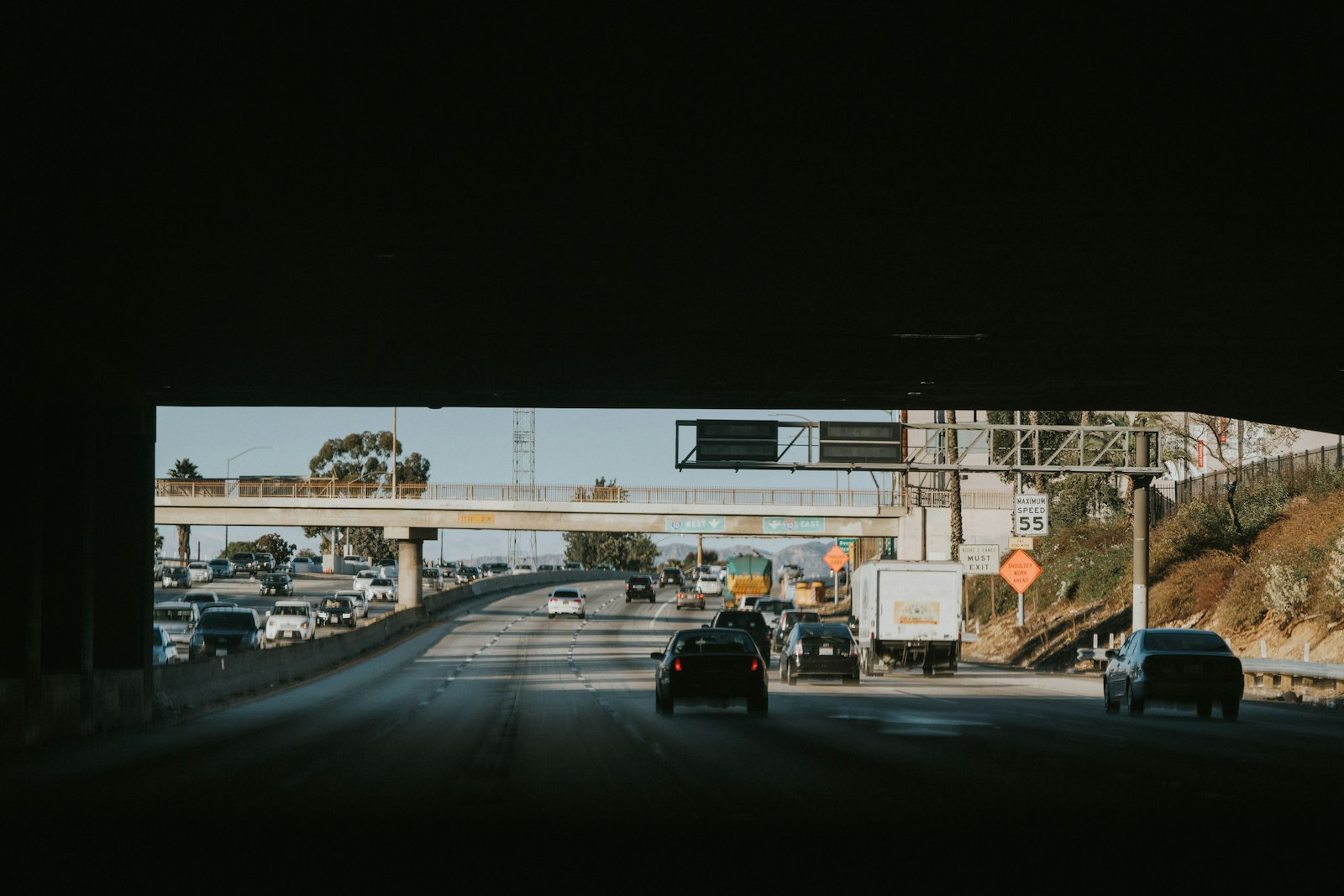
Los Angeles has a fundamentally different car-accident environment than almost anywhere else in the country. The 405 sees 379,000 vehicles a day. The 101, 110, 10, and 5 each carry traffic volumes that would qualify as megaprojects in other cities. Add in the Pacific Coast Highway, Mulholland, Sepulveda, and the urban grid of Los Angeles surface streets, and the result is the largest concentration of automobile collisions of any metropolitan area in the United States. California's tort-liability framework, the aggressive litigation posture of California plaintiff's personal-injury firms, and the depth of California-specific case law combine to make LA car accident litigation a particular kind of practice. This guide walks Los Angeles drivers through what actually matters after a collision — California's pure-comparative-negligence rule, the two-year statute of limitations, California's minimum-coverage trap, UM/UIM strategy, and when an LA personal-injury attorney genuinely earns the contingency fee.
For broader California legal-news context, see our profile of California Attorney General Rob Bonta.
California is a pure comparative negligence state
California is one of the most plaintiff-friendly U.S. states on the fault-allocation question. Under California Civil Code § 1714 and the seminal case Li v. Yellow Cab Co. (Cal. 1975), California applies a "pure comparative negligence" rule. That means an injured driver can recover damages even if they were 99% at fault — the recovery is just reduced by their percentage of fault. This is meaningfully different from Colorado (50% bar), Texas (51% bar), and the majority of U.S. states with "modified comparative negligence" rules that eliminate recovery above a threshold.
In practice, pure comparative negligence changes how insurance carriers value LA car-accident cases. There is no fault threshold at which the case becomes worthless, so the central dispute in a contested-fault LA case is the exact percentage of fault rather than whether the plaintiff is "above the bar." That gives California plaintiff's counsel more leverage in cases where the underlying liability is mixed.
California's two-year statute of limitations
California's statute of limitations for personal injury arising from a car accident is two years from the date of injury, codified at California Code of Civil Procedure § 335.1. Property-damage claims have a three-year limit under § 338(c). Wrongful-death claims also have a two-year limit. Claims against governmental entities — the City of Los Angeles, LA County, Caltrans, the MTA — require a written notice of claim within six months of the incident under the California Government Claims Act, a separate and shorter deadline that catches out many LA car-accident victims.
California's minimum-coverage trap (15/30/5)
California's minimum auto-insurance requirements have historically been among the lowest in the country: $15,000 bodily injury per person, $30,000 per accident, $5,000 property damage ("15/30/5"). Under AB 1751 and SB 1107, the minimums increased on January 1, 2025 to 30/60/15, but a substantial share of California drivers still carry the older state minimums or only just above them.
The practical result for LA car-accident victims is that a moderately serious collision routinely exceeds the at-fault driver's policy limit. A four-day hospital stay, an MRI, a few months of physical therapy, and a totaled vehicle can blow through $30,000 in real damages without any catastrophic injury. When that happens, the recovery question shifts entirely to your own underinsured motorist (UIM) coverage — assuming you have it.
UM/UIM coverage in California
California law requires every auto insurer to offer uninsured motorist (UM) and underinsured motorist (UIM) coverage equal to the policyholder's bodily-injury liability limits. Policyholders can decline this coverage in writing — and many California drivers do, often without understanding what they're declining. UIM coverage is California's most important consumer-protection mechanism against the state-minimum trap, and the first phone call your LA personal-injury lawyer makes after engagement is typically to your own carrier to identify the UM/UIM stack — sometimes including stacking across multiple policies in the same household.
What real Los Angeles drivers ask after a crash
Patterns from r/LosAngeles, r/legaladvice (California-tagged), r/AskLosAngeles, and Quora:
- "Should I talk to the other driver's insurance after my LA accident?" Recurring question. Standard counsel: not without your lawyer. The at-fault driver's adjuster will call within 48 hours and ask questions designed to develop comparative-fault evidence.
- "How long does a car accident lawsuit take in California?" Most LA car-accident cases settle pre-suit within 6–18 months. Cases that go into litigation typically take 18–36 months. Catastrophic-injury cases that go to trial can take 3–5 years.
- "What's the average car accident settlement in California?" No meaningful average — depends entirely on severity of injury, treatment, lost earnings, fault clarity, and applicable insurance limits. LA juries are historically more plaintiff-favorable than many other California venues, which moves settlement values.
- "My LA accident involved a rideshare driver — who pays?" Rideshare cases involve a tiered insurance structure: Uber and Lyft both maintain $1 million liability policies for accidents while the driver is en route to or transporting a passenger, with lower coverage limits when the driver is logged in but not yet matched.
- "I was hit by a commercial vehicle on the 405 — what's different?" Commercial-vehicle cases involve higher insurance coverage (often $1M+ liability), federal trucking regulations under the FMCSA, and potential evidence preservation issues with the truck's logs and electronic control module.
- "My LA accident involved an uninsured driver — what now?" Recovery turns entirely on your own UM coverage. If you have UM coverage, your insurer steps into the at-fault driver's shoes and is liable up to your UM limits. If you don't have UM, the practical recovery is generally limited to the at-fault driver's personal assets — which, for state-minimum-policy drivers, are usually limited.
- "Do I need a lawyer for a minor LA fender-bender?" Property-damage-only claims usually don't need a lawyer. Anything involving meaningful injury — ER visit, MRI, ongoing physical therapy — usually does.
The first 72 hours after an LA car accident
- Call 911 and file an LAPD or CHP report. California requires drivers to report any accident involving injury, death, or property damage in excess of $1,000 to the police and to file a DMV Form SR-1 within 10 days.
- Document the scene comprehensively. Photos, witness contact information, the other driver's insurance card and license, road conditions, traffic signals, dashcam footage if you have it.
- Get medical attention same-day. California insurers heavily scrutinize treatment gaps. Whiplash, concussion, soft-tissue injuries often manifest 24–72 hours later — the day-of-crash medical record is foundational evidence.
- Notify your own insurer, briefly. Required by your policy. Don't give a recorded statement or speculate about fault before you've spoken to a lawyer.
- Do not give the at-fault driver's insurer a recorded statement. The first call from the at-fault adjuster will come within 48 hours. Decline politely.
- Preserve the vehicle. Before the insurer totals and tows it, photograph it thoroughly. The vehicle is evidence.
- Call an LA personal-injury attorney for a free consultation. Virtually every California plaintiff's personal-injury firm offers free initial consultations and contingency-fee representation.
When you actually need an LA personal-injury lawyer
- Injuries requiring ongoing medical treatment beyond a single ER visit
- Disputed liability — the other driver or their insurer is contesting fault
- Multiple vehicles involved (chain-reaction crashes routinely involve multiple insurers)
- Commercial vehicles, rideshare drivers, or company vehicles
- Uninsured or underinsured at-fault driver
- Catastrophic injuries — TBI, spinal cord, fracture surgeries
- Crashes involving city/county/state vehicles or roadway-condition defects (Government Claims Act notice required within 6 months)
- An early settlement offer before treatment is complete
- Approaching the two-year statute of limitations
LA personal-injury fees: California's contingency standard
California personal-injury contingency fees are typically 33% of recovery pre-suit and 40% if the case goes into litigation, with case costs (medical records, expert fees, court filing fees) usually advanced by the firm and recouped from recovery. Fee agreements must comply with California Rule of Professional Conduct 1.5 and California Business & Professions Code § 6147, which require written fee agreements in any contingency-fee matter.
Geographic notes for the LA market
Downtown LA / Mid-Wilshire / Beverly Hills. Largest concentration of LA personal-injury firms, including the major California PI firms that handle catastrophic-injury and trial work. Most downtown LA firms serve the entire metropolitan area.
The San Fernando Valley. Strong concentration of Valley-based personal-injury practices. Sherman Oaks, Encino, Van Nuys, and Glendale firms handle a substantial share of San Fernando Valley collision cases.
The South Bay / Long Beach. Torrance, Long Beach, and Lakewood firms with specific expertise in 405 and 710 corridor cases and crashes involving the Port of Long Beach commercial-truck traffic.
The Inland Empire (San Bernardino, Riverside). Riverside County Superior Court venues, with substantial commuter-corridor crash volume on the 10 and 60.
Frequently asked questions
How long do I have to file a Los Angeles car accident lawsuit?
Two years from the date of the accident for personal-injury claims, three years for property damage, under California Code of Civil Procedure § 335.1 and § 338. If a governmental entity is involved (City of LA, LA County, Caltrans, MTA), a written notice of claim must be filed within six months of the incident under the California Government Claims Act.
Can I still recover if the LA accident was partly my fault?
Yes. California is a "pure comparative negligence" state, which means you can recover damages even if you were 99% at fault — your recovery is reduced by your percentage of fault. This is one of the most plaintiff-friendly fault rules in the country.
What's California's minimum auto insurance requirement?
Effective January 1, 2025, California's minimum is 30/60/15 ($30,000 bodily injury per person, $60,000 per accident, $15,000 property damage), increased from the prior 15/30/5 minimum. Many California drivers still carry older state-minimum policies that are inadequate for any serious collision, which is why uninsured/underinsured motorist coverage is critical.
How much does an LA personal-injury lawyer cost?
California personal-injury contingency fees are typically 33% of recovery pre-suit and 40% if the case enters litigation. The contingency structure means you pay nothing up front; the lawyer is paid from the eventual recovery. California Business & Professions Code § 6147 requires written fee agreements in any contingency-fee matter.
What if my LA accident involved an Uber or Lyft driver?
Rideshare cases involve a tiered insurance structure. While the driver is en route to a pickup or transporting a passenger, Uber and Lyft both maintain $1 million liability policies. When the driver is logged into the app but not yet matched with a rider, coverage is lower. When the driver is not logged in, the driver's personal auto policy applies. A California PI lawyer experienced in rideshare matters will identify which tier applies to your specific accident.
Sources
- California Code of Civil Procedure §§ 335.1 (personal injury SOL), 338(c) (property damage SOL), 340.5 (medical malpractice). Available at California Legislative Information.
- California Civil Code § 1714 (comparative-negligence statutory baseline).
- California Government Code §§ 900–935.9 (Government Claims Act, six-month notice requirement).
- California Department of Insurance — auto insurance consumer information, complaint filing.
- California DMV — SR-1 reporting requirements.
- State Bar of California — verify any California lawyer's license and disciplinary history.
- California Vehicle Code §§ 16020–16059 (financial responsibility/insurance requirements).
- Reddit r/LosAngeles, r/AskLosAngeles, r/legaladvice — community discussions on LA car-accident issues.
This article is general legal information, not legal advice. Every car accident is fact-specific. If you've been in a Los Angeles or California car accident, talk to a California-licensed personal injury lawyer for a case-specific evaluation. Most LA personal-injury lawyers offer free consultations on a contingency-fee basis.