They Got Hit by an Uninsured Driver. Their Insurance Didn't Cover It Either.
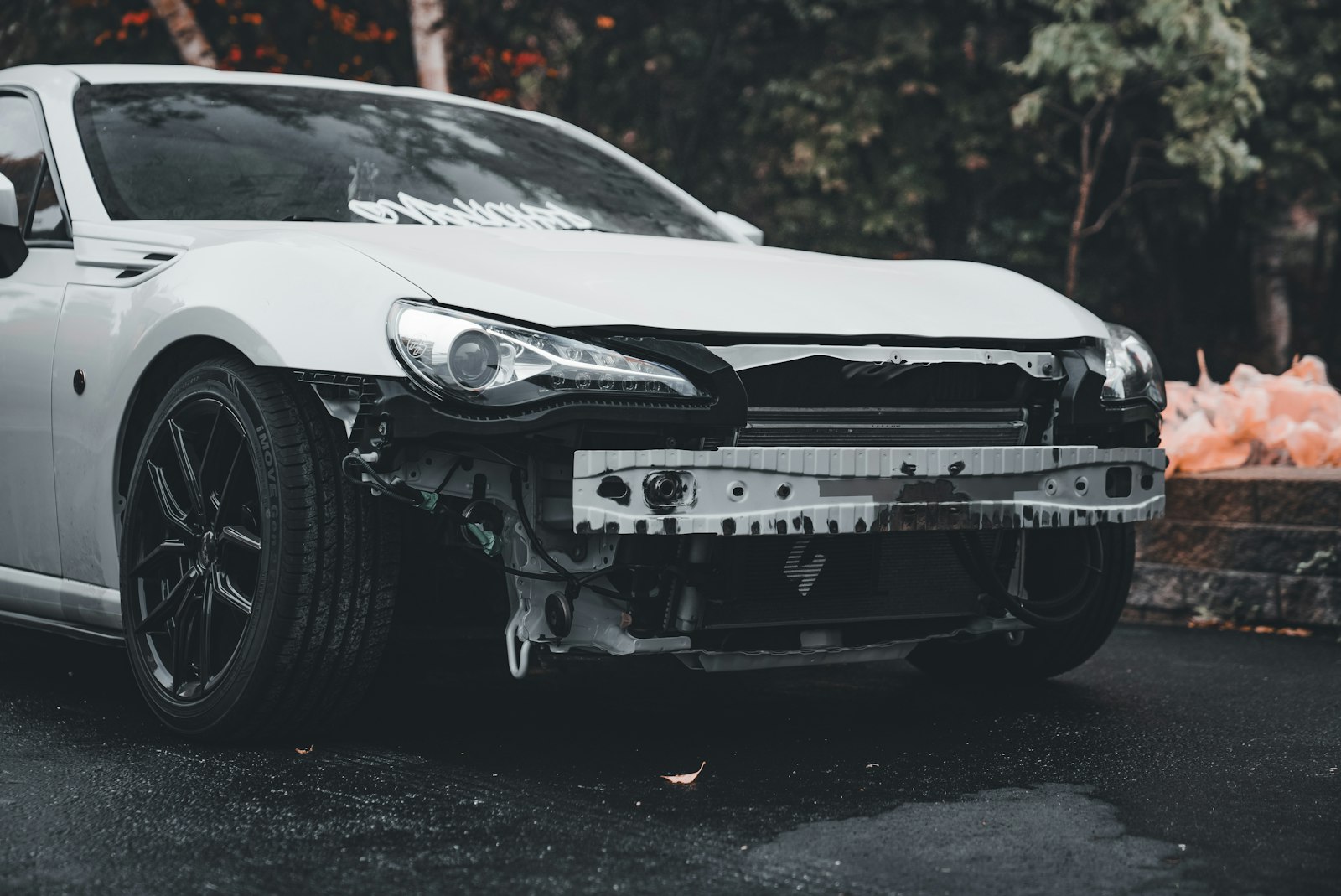
You did everything right, but the other driver didn't have insurance. Here's what that means for your car, your injuries, and your wallet.
[rank_math_toc]You're stopped at a red light. Or maybe you're merging onto the highway. Then you feel it: the impact. Your car jolts forward. Your neck snaps back. In the chaos of the next few minutes, you exchange information with the other driver, call the police, and get a crash report.
And then you find out: they don't have insurance. Not a policy. Not a single dollar of coverage.
This isn't theoretical. It happens to thousands of people every year. Let me tell you what actually happened to people who posted about it. These are real stories from real people who went through this, and they're going to make your blood boil.
The Reddit Stories: What Really Happens When the Other Driver Has No Insurance
Start with a Florida driver. Rear-ended by someone following too closely. The crash report was clear about who was at fault. But here's what happened next. This driver went to the ER and got treatment for injuries. Bruises. Pain. Missed work days. Real damage. And then the bills started coming in.
"I had injuries (bruises, pain, missed work days). I went to the ER and received treatment. The total medical bill came out to about $20,741. My insurance (GEICO PIP) covered only part of it: Paid: about $6,824. Remaining balance: about $13,000."
— u/florida_driver on r/caraccidents
Twenty thousand dollars in medical bills. The insurance company paid six thousand. That left thirteen thousand. Read that number again. Thirteen. Thousand. Dollars.
But it gets worse. This driver made a discovery that turned their stomach:
"The at-fault driver had NO valid insurance. He still gave police insurance information at the scene, but it turned out to be inactive. I also later realized: I do NOT have Uninsured Motorist coverage."
— u/florida_driver on r/caraccidents
And here's the part that made my stomach drop. This driver wrote:
"I'm not trying to avoid responsibility — I just don't understand how someone can cause an accident, have no insurance, and I'm the one left with the bill."
— u/florida_driver on r/caraccidents
That's the question that haunts people in this situation. The person who caused the accident faces almost no consequence. The person who did nothing wrong faces thirteen thousand dollars of debt.
Now let's look at another case. California. A drunk driver. And this person went to a lawyer thinking they'd at least have legal options.
"Rear ended by a drunk driver with no insurance. I talked to an attorney but they won't touch the case if they don't have insurance. Is this normal? What can I do?"
— r/legaladvice
Even the lawyers won't help. That's the part that gets people. A drunk driver hits you, causes damage, walks away uninsured, and suddenly it's your problem to solve alone.
And then there's the third story. A father. His accident was so bad that the other driver got ticketed and their vehicle got impounded. Surely that would mean something. Surely the law would have some teeth. Here's what one commenter posted about their dad's situation:
"Suddenly out of nowhere a guy in a GMC Sierra rear ends him on the rear driver side, busting out the rear tail light, rear fender area, and the driver side of the trunk."
— r/legaladvice
Significant damage. Major impact. And then came the discovery about the at-fault driver:
"My dad calls me again and says that the guy has NO INSURANCE OR REGISTRATION (not insured or registered to be on the road, not just forgotten paperwork)"
— r/legaladvice
Not insured. Not registered. Basically illegally on the road. And the police ticketed and impounded the vehicle, but that doesn't fix the car that was hit. That doesn't cover the medical treatment. That doesn't pay the bills. The at-fault driver will eventually get that vehicle back or buy another one. Meanwhile, the person who got hit is still dealing with the damage.
This is what nobody warns you about. You follow all the rules. You have insurance. You drive defensively. And the system still finds a way to leave you paying for someone else's negligence.
So What's Actually Happening Here? The Legal Reality
Now you've heard from three different people who went through this nightmare. Their questions are the same as yours would be: Why is this allowed? How is it my problem? What can I actually do about it?
Let's start with the law. Every state requires drivers to carry at least a minimum amount of liability insurance. It's the law. Not optional. Not a suggestion.
But here's the thing about laws: they don't enforce themselves. Even in states with strict penalties for driving uninsured, thousands of drivers still hit the road without a policy. Some can't afford it. Some forgot to renew. Some don't care. The reasons vary, but the outcome for the person they hit is always the same: you're dealing with an impossible situation.
When you're hit by an insured driver, the infrastructure exists. You file a claim with their insurance company. If they're at fault, their policy covers your medical bills, your car repair, your lost wages. Insurance was literally designed for this exact scenario.
When you're hit by an uninsured driver, that entire infrastructure vanishes. There's no insurance company to call. There's no claims adjuster working to pay your bills. There's just the other driver. The driver who probably doesn't have money, because if they did, they'd have insurance. And there's you, left holding the bill.
Being not at fault doesn't fix the car. Being not at fault doesn't cover your injuries. Being not at fault doesn't matter much if the person who caused the accident has zero ability to pay. And this is where most people discover something they didn't know they needed: uninsured motorist coverage.
This is the part where your own insurance policy can actually save you. Your own. Not the other driver's policy. Your policy.
Uninsured motorist coverage exists specifically for this nightmare scenario. It's built into some policies and optional on others. And if you have it when you get hit by an uninsured driver, it's the difference between recovering your losses and being buried in debt.
Here's how it works: When you carry uninsured motorist coverage, your insurance company steps into the at-fault driver's shoes. They pay your medical bills. They pay your car damage. They pay your lost wages. Just as if the other driver had insurance. The practical difference is that you're working with your own insurance company. The financial difference is that you might actually get paid.
The key word is "might." Uninsured motorist coverage has limits. You might have $25,000 in coverage, or $50,000, or $100,000. Whatever you chose when you bought the policy. And there's a deductible first, usually $500 or $1,000.
So if your damages exceed your policy limits, you're still in trouble. Uninsured motorist coverage is a safety net, not a guarantee. But it's the safety net that keeps you from being the Florida driver with thirteen thousand dollars of unpaid medical debt.
And that's the critical question everyone asks: "Do I have uninsured motorist coverage?" If yes, there's a path forward. If no, things get much harder.
What to Do If You're Hit by an Uninsured Driver
If it happens to you, the immediate steps are the same whether the other driver is insured or not.
Call the police. Get a crash report. Document the scene with photos and videos. Get the other driver's information, even though they don't have insurance. Get witnesses. Get your own medical care checked out, even if you feel fine. Some injuries don't show up for hours or days.
Then comes the part where it matters that they're uninsured. Contact your own insurance company. Tell them the other driver was uninsured. This triggers your uninsured motorist coverage, if you have it.
Your insurance company opens a claim and starts paying your bills up to your policy limits. They may also try to recover money from the at-fault driver later through something called subrogation, but that's their problem, not yours.
If damages exceed your policy limits, you can sue the at-fault driver in small claims court or civil court. You'll likely win because the crash report shows you weren't at fault. But collecting a judgment from someone who can't afford insurance? That's the hard part. You can garnish their wages, but it takes time and money. You might recover something eventually, or you might recover nothing.
There's also a third option. Some states have uninsured motorist funds. Not all do. The National Association of Insurance Commissioners tracks which states have them. They're designed for situations like this, where an uninsured driver causes damage and the victim can't recover money any other way. Recovery limits are usually low, but it's better than nothing.
How to Protect Yourself Going Forward
If you don't have uninsured motorist coverage, fix that today. Call your insurance agent. Ask about adding or increasing it. It's one of the cheapest additions you can make to your policy. Usually just a few dollars a month.
Ask about uninsured motorist property damage coverage too. Some policies separate bodily injury coverage from property damage coverage. You want both.
Check your state's insurance requirements. Most states publish their minimums online. You probably meet them. But the minimums aren't enough. If you'd been carrying state minimum liability insurance, you'd be barely better off than having nothing at all. Contact your state's Department of Insurance directly for specific rules about uninsured motorist coverage in your jurisdiction.
Read your own policy. Understand what it covers and what it doesn't. Some uninsured motorist policies have exclusions. Some states limit it in unexpected ways. Ask your agent questions. Don't assume you're covered until you know for certain.
And if you're on a tight budget, prioritize uninsured motorist coverage above everything else. It's cheap insurance for an expensive problem.
Why This Matters More Than You Think
Here's what the data actually shows: between 12% and 15% of drivers on the road are uninsured. That's one in seven or one in eight drivers. If you drive regularly, the odds are decent that you'll get hit by an uninsured driver at some point in your life. It's not a remote risk. It's something that happens to hundreds of thousands of people every year.
The rates vary by location. The Insurance Information Institute has state-by-state data. Some states are as low as 3%. Others are over 25%. Where you live matters.
But the risk exists everywhere. You can't control whether other drivers have insurance. You can only control whether you're protected when they don't.
The people in those Reddit posts did nothing wrong. They followed the rules. They had liability insurance because the law required it. They weren't at fault in their accidents. And they still ended up in financial trouble because the people who hit them weren't carrying insurance.
Don't let that be you. Check your coverage today.
Video: Understanding Uninsured Motorist Coverage
This video explains how uninsured motorist coverage works and why it's critical for every driver.
Frequently Asked Questions
What's the difference between uninsured motorist coverage and underinsured motorist coverage?
Uninsured motorist coverage kicks in when the at-fault driver has zero insurance. Underinsured motorist coverage kicks in when the at-fault driver has insurance, but their policy limits are too low to cover all your damages. Many people need both. If you're hit by someone with only minimum liability coverage and your damages are high, underinsured motorist coverage is what actually compensates you for the full amount of your loss.
Can I sue an uninsured driver even if I have uninsured motorist coverage?
Yes, you can sue, but your insurance company may have the right to do it for you through subrogation. Subrogation is the process where your insurance company tries to recover money from the at-fault driver and reimburse themselves for what they paid you. In some states, they can pursue this; in others, you retain the right to sue directly. Check your policy and your state law, or ask your insurance company. Either way, collecting money from an uninsured driver is the hard part.
What if the uninsured driver admits fault but doesn't have money to pay?
Admission of fault is great for proving your case, but it doesn't solve the money problem. If they don't have assets or income to garnish, you may never collect anything from them directly. That's exactly why uninsured motorist coverage exists. It ensures you get paid even when the other driver can't. This is also where small claims court becomes relevant. You can file a claim and get a judgment, but enforcing it against someone with no money is nearly impossible.
Do I have to use my uninsured motorist coverage if I'm hit by someone uninsured?
Not necessarily. You can try to recover from the at-fault driver directly through a lawsuit. But practically speaking, if they're uninsured, they probably don't have money either. Using your uninsured motorist coverage is usually the faster, more reliable way to get paid. You can still pursue the other driver afterward if you want to.
Will filing an uninsured motorist claim raise my insurance rates?
Probably not. Most insurance companies don't penalize you for filing a claim when you're not at fault. Uninsured motorist claims are especially protected in many states because you did nothing wrong. But it varies by insurer and state. Ask your agent before you file. Better to know now than find out later.
What if the police couldn't identify the hit-and-run driver?
You can still file an uninsured motorist claim. Hit-and-run accidents are treated as uninsured motorist claims because technically, the at-fault driver is uninsured (they left the scene). You'll need to prove you did everything right, which is why police reports and photo documentation are critical. Get a case number from the police report. Give that to your insurance company when you file your claim.