What Laws to Follow When Traveling Internationally: A Complete Guide for Visiting Peru
Understanding International Travel Laws
Before you set foot on foreign soil, Wonders of Peru says, it’s essential to understand that you are subject to the laws of the country you’re visiting — not your home nation’s. International travel laws differ from country to country, and even minor misunderstandings can create complications. Here’s what every traveler should keep in mind:
1. Respect Local Laws and Cultural Norms
Every destination has its own laws regarding dress codes, public behavior, photography, and religious or cultural etiquette. What’s acceptable in one country might be frowned upon — or even illegal — elsewhere. Always research local customs before you travel, and when in doubt, observe and follow local practice.
2. Understand Customs and Import Restrictions
Many countries restrict certain goods, including animal products, antiques, plants, or medications that might be perfectly legal at home. Check customs websites or official embassy resources to confirm what can be brought in or out of the country.
3. Carry the Right Travel Documents
Most countries require a passport valid for at least six months beyond your planned return date. You may also need proof of onward travel, hotel bookings, or vaccination records. Always keep digital and printed copies of key documents.
4. Check Health and Safety Requirements
Some destinations require specific vaccines or health documentation. Before traveling to Peru, check CDC and WHO recommendations for altitude sickness, malaria (in certain regions), and COVID-19 guidance.
5. Register Your Trip with Your Embassy
For U.S. travelers, registering with the Smart Traveler Enrollment Program (STEP) helps you receive real-time alerts about local conditions and makes it easier for the embassy to reach you in emergencies.
Traveling to Peru: Legal and Entry Essentials
Peru welcomes millions of international visitors each year, drawn by its ancient history, world-class cuisine, and stunning landscapes. Here’s what you need to know about legal entry, safety, and travel procedures.
Visa and Entry Requirements
- Tourist stays: U.S., Canadian, and EU citizens can enter Peru without a visa for up to 183 days.
- Passport validity: Your passport must be valid for at least six months beyond your entry date.
- Visa extensions: If you plan to stay longer than your permit allows, you must apply for an extension through Peru’s immigration office before your stay expires.
- Proof of onward travel: Some immigration officers may request evidence of your return or next destination ticket.
Customs Regulations
Wonders of Peru Travelers are allowed to bring reasonable quantities of personal goods, electronics, and clothing duty-free. However, importing plants, seeds, or animal products is strictly regulated. Exporting archaeological artifacts, protected wildlife, or antiques without authorization is illegal.
Currency and Financial Laws
Peru’s official currency is the Sol (PEN). While ATMs are common, always use those inside banks or secure locations. Declaring large sums (over $10,000 USD) is mandatory upon arrival.
The U.S. Travel Advisory for Peru
The U.S. Department of State currently classifies Peru under a Level 2: Exercise Increased Caution advisory. This is not a warning against travel — it simply encourages visitors to stay aware of potential risks such as theft, protests, or unrest in some regions.
Key Advisory Highlights
- Urban areas: Cities like Lima, Cusco, and Arequipa are generally safe, but petty theft (especially in markets and transport hubs) is common.
- Avoid high-risk regions: Refrain from traveling to areas near the Colombian border or regions within the VRAEM (Valley of the Apurímac, Ene, and Mantaro Rivers) due to occasional criminal activity.
- Stay informed: Follow local news and sign up for embassy updates. Protests can occur with little notice and may disrupt travel routes.
Emergency Numbers in Peru
- Police: 105
- Ambulance: 106
- Tourist Protection Network: 0800-22221 (24-hour English assistance)
- U.S. Embassy in Lima: +51 1 618-2000
Health and Safety Tips for Travelers to Peru
While most visits to Peru are trouble-free, travelers should take a few precautions:
- Altitude sickness: If you plan to visit Cusco or Machu Picchu (above 10,000 ft), allow a day or two to acclimate. Drink plenty of water and avoid heavy exertion on your first day.
- Food and water safety: Drink bottled or filtered water and eat freshly cooked foods to avoid stomach issues.
- Transport safety: Use registered taxis (apps like Cabify or official airport taxis). Avoid unofficial vehicles, especially at night.
- Travel insurance: Comprehensive coverage for medical, trip delays, and emergency evacuation is strongly recommended.
Respecting Peruvian Laws and Culture
Peru’s heritage is one of its greatest treasures. Visitors are expected to show respect toward its people, traditions, and environment.
- Cultural sites: Never remove stones or artifacts from Incan ruins or protected areas.
- Environmental care: Stay on marked trails and avoid littering — Peru’s ecosystems are fragile.
- Community respect: Always ask permission before photographing local people or entering indigenous communities.
- Responsible tourism: Support locally owned lodges, guides, and artisans to keep your spending within the community.
Why Peru Is a Must-Visit Destination
Despite the need for awareness and preparation, Peru remains one of the world’s most captivating travel destinations. Its diverse geography — from the Andes Mountains to the Amazon Rainforest — offers endless adventure.
For the best tours of Peru, you can visit https://www.wondersofperu.com/ to book your trip to Peru today.
Highlights include:
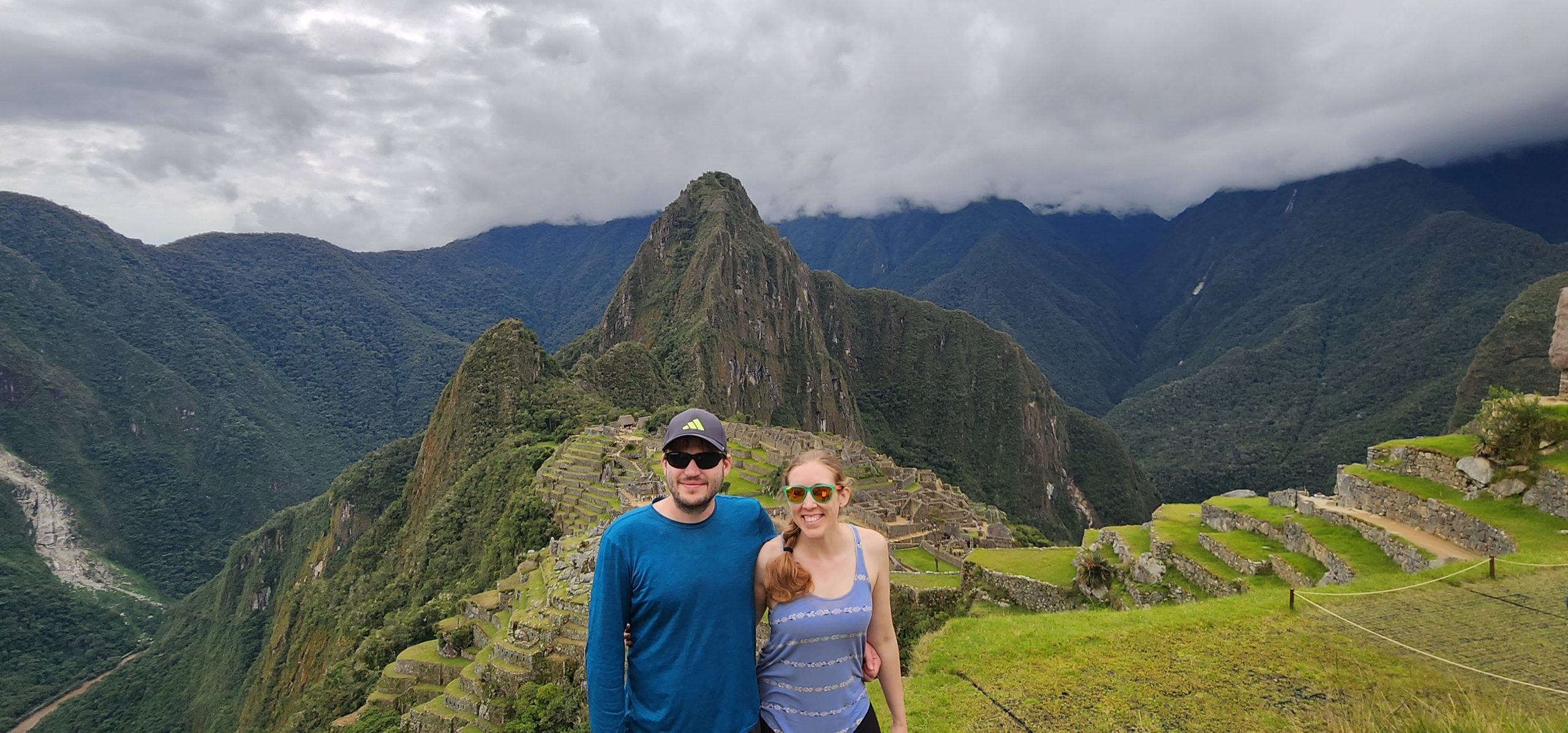
- Machu Picchu: A UNESCO World Heritage site and one of the New Seven Wonders of the World.
- Cusco: The historic capital of the Inca Empire, known for its colonial architecture and vibrant markets.
- Lake Titicaca: The highest navigable lake in the world, with floating reed islands.
- Lima: A coastal capital famous for its culinary excellence and museums.
- Arequipa and Colca Canyon: A haven for trekking and nature enthusiasts.
Travelers consistently praise Peru for its warmth, authenticity, and deep connection between history, nature, and modern culture.
Frequently Asked Questions (FAQ)
Do U.S. citizens need a visa to visit Peru?
No, U.S. citizens can visit Peru visa-free for up to 183 days for tourism.
Is Peru safe for tourists in 2025?
Yes, Peru is generally safe for travelers who stay alert, avoid remote conflict zones, and follow official travel guidance.
Do I need vaccinations to travel to Peru?
While not mandatory, vaccines for yellow fever, hepatitis A, and typhoid are recommended for certain regions.
Can I drive in Peru with a U.S. license?
Yes, visitors can drive using a valid U.S. license for up to six months, but local traffic can be challenging.
What should I avoid bringing into Peru?
Avoid bringing fresh produce, plants, or animal products. Check customs rules before departure.
Final Thoughts: Travel Smart, Travel Respectfully
Peru’s beauty lies in more than its mountains and ruins — it’s in the stories, traditions, and communities that make it thrive. Following international travel laws and respecting local customs ensures your trip remains safe, ethical, and unforgettable.