Your Landlord Changed the Locks While You Were at Work. That's Illegal in Every State.
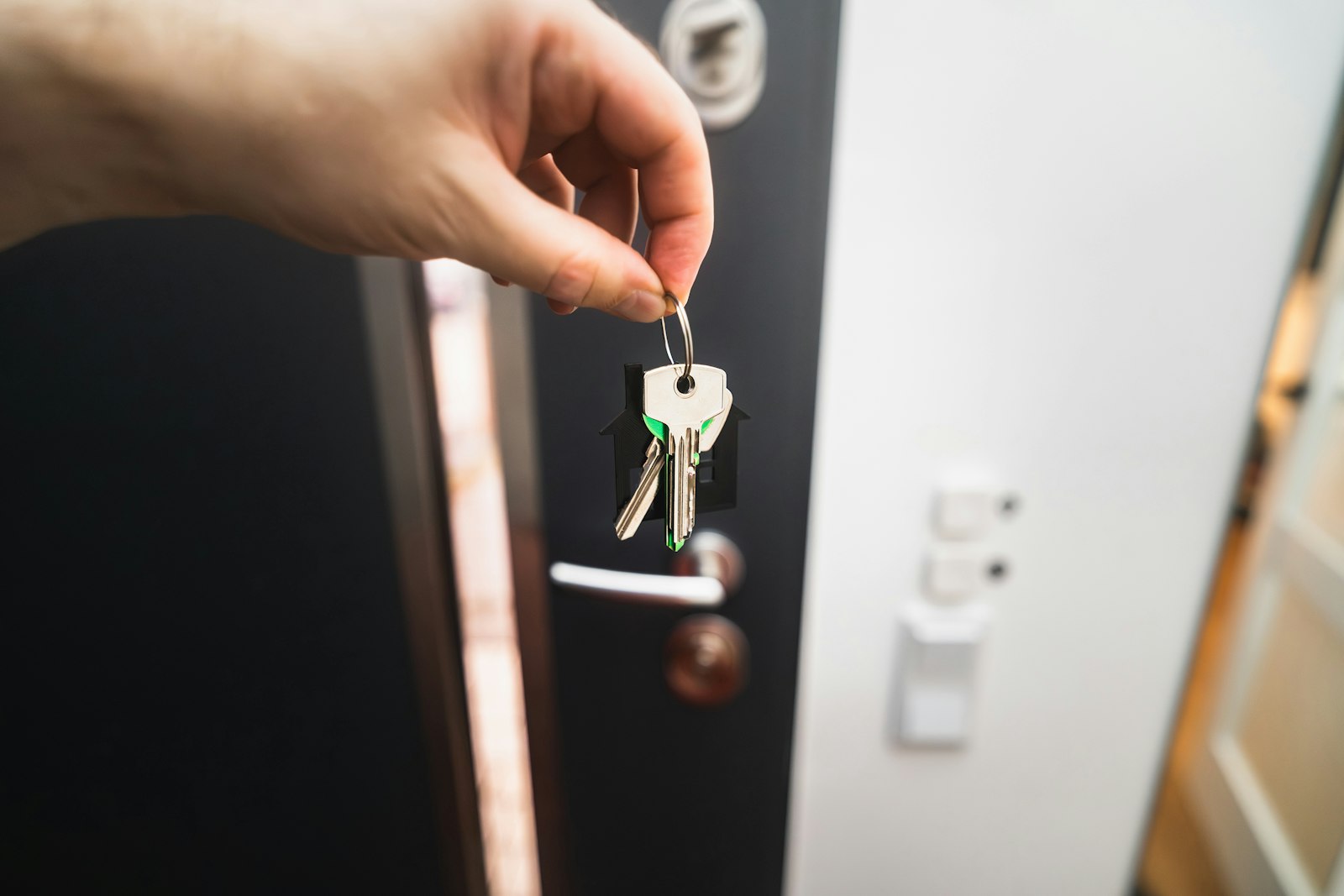
What happens when your landlord locks you out before going through the courts.
[rank_math_toc]You walk to your apartment after work. The lock's different. Your key doesn't work. You call the landlord, but they tell you you're done, you need to leave, and your stuff will be on the curb tomorrow. Or it already is. No eviction notice. No court hearing. Just locked out.
It sounds unreal because it kind of is. But this happens. And when it does, people end up in r/legal and r/legaladvice, their hearts pounding, sometimes at 11 PM on a Wednesday, typing out their story in all caps with their life falling apart in the background. Let me show you what these posts look like.
The stories from Reddit
"I've been (or was) renting a studio apartment for 2 years, never missed rent. Last month I complained about the broken heater and mold in the bathroom. Today I came home to find my locks changed and ALL my belongings thrown outside, including my laptop with work files and other important stuff. Landlord left a note saying I was 'evicted for lease violations' but never served me proper notice. I have text evidence of my complaints and rent receipts."
— u/VijayakumarVeeramani on r/legal
Read that again. Two years of perfect rent history. One maintenance complaint. And the response is a lockout, belongings on the street, and a note that says "evicted." No court. No notice. No chance to respond. This is the part that made me stop scrolling.
"I've been officially living at the new apartment for the past week. But my lease says that any indication the property has been vacated gives the landlord the right to enter and take possession of the apartment. So now I don't know if I'm getting my stuff back or if they can legally keep everything I've worked for."
— via r/legaladvice
And here's where it gets worse. This tenant's actually trying to move out the right way—going through the process, getting to the new place—but the landlord's interpretation of "vacated" is hair-trigger. What happens if you travel for work? What if you stay at a friend's house for a weekend? The tenant's asking the real question: does the landlord get to decide you've abandoned the place, throw your stuff away, and keep your security deposit all in one move?
"Landlord changed locks to apartment while in process of moving out PLEASE HELP !!! I put a notice that I was moving in 30 days. When I went back to get more stuff, the locks were changed. Everything I own is still in there. I can see my furniture and boxes through the window. The landlord is saying it's abandoned but I literally just put in my notice and have been actively moving."
— via r/legaladvice
The panic in that title is real. PLEASE HELP. All caps. Three exclamation marks. Everything you own is visible through the glass but locked away. You gave proper notice. You're doing exactly what you're supposed to do. And you're still locked out.
"We had a maintenance issue—broken kitchen cabinet and water damage. We called in our complaints. The landlord got defensive and then changed the locks overnight without warning. No eviction notice, no court papers, nothing. My partner was still having medical care at the apartment because we have limited mobility access. Now we're in a motel and our stuff is being held hostage."
— via r/legal
This one gets me. Not just locked out. One partner needs the specific accessibility features of that apartment for medical reasons. The landlord didn't just change the locks. They took away someone's accessible home over a maintenance dispute. That's not a lockout. That's a public health emergency.
These aren't edge cases. These are people who followed the rules, paid their rent, gave notice, and got locked out anyway. And they all ask the same question: Is this even legal?
The legal reality: why all of this is illegal
Most states have explicit statutes against what landlords call "self-help" remedies. The legal name varies—illegal lockout, wrongful lockout, unlawful eviction—but the principle is the same. Your landlord cannot unilaterally lock you out, throw your stuff away, turn off utilities, or remove your belongings without a court order. Period. Even if you're in breach of the lease.
Why? Because the Fourteenth Amendment gives you a right to due process before you lose your property or your home. You get a notice. You get a hearing. You get a chance to defend yourself. Your landlord doesn't get to be judge, jury, and enforcer. That's the whole system.
State laws back this up. Many states explicitly prohibit self-help evictions, including New York, California, Texas, Florida, and most others. Some states have dedicated statutes on the books about illegal lockouts specifically. Others cover it under general unlawful detainer laws. But the outcome is the same: your landlord needs a court order. Without one, what they did is illegal.
How lockouts violate your tenant rights
When your landlord changes the locks without a court order, they haven't actually evicted you. Legally, you're still a tenant with rights. You still have a claim to the apartment. You still own the stuff inside. Your landlord just violated your right to "quiet enjoyment" of the property—a fundamental tenant right in every state.
The quiet enjoyment clause is standard in lease agreements and in tenant law. It means the landlord can't interfere with your use and enjoyment of the place. Changing the locks? That's interference. Locking you out without court process? That's a violation. It doesn't matter if your lease says your landlord can do it—no lease provision can override state law.
The difference between eviction and illegal lockout
An actual eviction follows a process. Your landlord serves you with a notice to vacate (usually 3–30 days depending on the state and the reason). If you don't leave, they file a lawsuit. You get a summons. You get a hearing in front of a judge. You can show up, defend yourself, argue that the notice was improper, that you weren't actually in breach, that the landlord wrongfully terminated the lease. If the judge agrees with you, you stay. If the judge agrees with the landlord, you get a judgment for possession. Only then can the landlord or a sheriff's deputy actually remove you and your stuff.
An illegal lockout skips all of that. Your landlord decided to cut out the court and do it themselves. That's not landlord authority. That's trespass, conversion, and potentially tortious interference with your property rights.
Some states even have criminal penalties for this. New York, for example, treats illegal lockouts as a misdemeanor under NY Real Property Law Article 7-152, which means your landlord could face criminal charges, fines, and jail time on top of the civil liability.
What to do if your landlord changed the locks
The hours and days after a lockout are critical. You need to act fast.
Document everything immediately. Take photos of the changed locks, the removed belongings, the state of your stuff. Screenshot any text messages, emails, or voicemails from your landlord about this. Get timestamps. If witnesses saw it happen, get their names and contact info. This is your evidence.
Try to get back in if it's safe to do so. If your landlord is in the unit, call the police non-emergency line and ask for a civil standby—an officer who'll watch while you retrieve your belongings. Tell the dispatcher you're a tenant being illegally locked out. This isn't a criminal complaint against the landlord (though it could be); it's asking for police presence while you exercise your legal right to be in your home. Some departments will help. Some won't. But asking is free.
Call a tenant rights organization or legal aid. LawHelp.org lists free and low-cost legal services by state. Many areas have tenant unions or legal aid nonprofits that handle exactly this scenario. They can tell you whether to file a police report, whether to go straight to a lawyer, or whether to pursue mediation first. In some states, illegal lockouts are so serious that landlords can be forced to pay damages even without a lawyer.
File a police report if the lockout involved property damage or removal. Technically, what your landlord did might be criminal (unauthorized entry, conversion, criminal trespass). Whether the police care enough to investigate is another story—they often won't. But having a report on file gives you documentation for a civil claim and sometimes triggers additional consequences for the landlord.
Send your landlord a cease-and-desist letter. This doesn't have to come from a lawyer, but it should be in writing, sent certified mail with return receipt, and state clearly that you are still a tenant, that the lockout is illegal, and that they need to restore your access immediately or you'll pursue legal action. The letter creates a paper trail and often shocks landlords into realizing they went too far. Many landlords who do self-help evictions think they have the right—a letter from you citing the law sometimes changes their mind fast.
Consider filing an emergency restraining order or seeking an immediate court order for access. If the lockout happened recently and your stuff is still in the apartment, some lawyers can file for immediate relief—essentially a court order telling the landlord to let you back in right now, before the main lawsuit even starts. This is called a "request for preliminary injunction" or "emergency restraining order," depending on your state. It costs money, but it works.
What you can sue for
If your landlord locked you out illegally, you have damages. Real ones.
Actual damages: The cost of replacing belongings that were damaged, lost, or thrown away. Hotel stays while you were locked out. Storage fees if you had to put your stuff in storage. Costs to fix or replace property. The value of items your landlord disposed of.
Lost rent. In some states, when a landlord does a self-help eviction, you can deduct lost rent from what you owe or claim it as damages. The logic is that you paid for the right to occupy the space, and the landlord prevented you from doing that.
Emotional distress. Many states allow tenants to recover damages for the emotional harm and disruption caused by an illegal lockout—especially if it was combined with property destruction or removal. This is called "intentional infliction of emotional distress" or IIED. It's harder to quantify than actual damages, but it's real.
Attorney's fees. Some state landlord-tenant laws allow tenants to recover attorney's fees when they win against an illegal eviction. This is huge because it means your lawyer's costs aren't coming out of your pocket.
Punitive damages. If the lockout was especially egregious—if your landlord destroyed property on purpose, if they did it in bad faith, if they've done it before—the court can award punitive damages. These aren't meant to compensate you for what you lost. They're meant to punish the landlord and deter them from doing it again. Some judges are generous with these.
The amount you can recover depends on your state, the details of what happened, and how much you can prove. But the principle is solid: illegal lockout = liability. Your landlord will pay for it one way or another.
Questions tenants ask
Can my landlord change the locks if I haven't paid rent?
No. Nonpayment of rent is a valid reason for a landlord to start an eviction, but it doesn't skip the court process. Your landlord still has to serve a notice (usually 3–5 days to pay or quit), wait out the notice period, file a lawsuit, and get a judgment from a judge. Only then can they proceed with eviction. Changing locks is never the right move, no matter what you owe.
Is a lockout the same as an eviction?
No. An eviction is a court process with legal protections for you. A lockout is what your landlord does when they skip the court process and lock you out themselves. The lockout might be part of an eviction (after you've lost in court and been given a move-out date), but a lockout without a court order is not an eviction. It's an illegal act by your landlord.
Can I force my way back in, or will I get arrested?
You have the legal right to be there, so forcing your way in (without breaking anything) isn't trespass—it's you exercising your tenant rights. But police might not see it that way. The safer approach is to call for a civil standby or to get a court order restoring your access. A lawyer can get you that order fast, sometimes in a day or two.
What if my stuff is gone or damaged?
You can sue for the value of everything. Keep receipts, photos, credit card statements, and any proof of what was in the apartment. For items that are harder to price (sentimental items, worn furniture), get estimates or comparable prices online. Your lawyer can help you build a damages list. Landlords who throw belongings away are often hit with much bigger judgments because it's so obviously intentional.
Do I need a lawyer for an illegal lockout claim?
You don't technically need one, but it helps a lot. Landlord-tenant law is complex, and having a lawyer sends a signal to your landlord that you're serious. Many lawyers will handle illegal lockout cases on contingency (you pay only if you win). Start with your state bar association's referral service or a local legal aid nonprofit. Many will give you a free consultation.
Can my landlord face criminal charges for this?
Yes, in many states. States like New York treat illegal lockouts as a misdemeanor. Whether the police will prosecute is another question—many local police departments don't prioritize landlord-tenant disputes. But filing a report creates documentation, and a tenacious prosecutor or tenant advocate might push charges forward, especially if it's a repeat offender.