California Lemon Law: What AB 1755 Changed and What You Still Have
A new SUV that's been to the service center five times in nine months. Three repair attempts on the same transmission code. A loaner car you've now had longer than you've had your own vehicle in the driveway. California's lemon law is the most consumer-friendly version in the country, but the rules quietly changed at the start of 2025. Knowing which track your case is on now decides what you do next.
The Song-Beverly Consumer Warranty Act has been the spine of California's lemon law since 1970. It's why the state has the strongest manufacturer-buyback rights in the country: a refund of essentially everything you paid (minus a small mileage offset for use), or a comparable replacement vehicle, when a manufacturer can't fix a substantial defect within a reasonable number of attempts. The Song-Beverly Act lives in California Civil Code sections 1790 to 1795.8, and the substantive consumer protections in those sections are still in place.
What changed in 2025 is the procedure. Not whether you have a claim. Not what you can recover. How and when you have to bring it.
What AB 1755 actually did
Governor Newsom signed Assembly Bill 1755 on September 29, 2024. The bill rewrote the procedural side of California lemon law claims involving manufacturers, with a stated goal of moving cases through the system faster and reducing what the legislature called "duplicative litigation." Most provisions took effect January 1, 2025. The pre-litigation notice rules, after some shuffling, became operative July 1, 2025 under the cleanup bill, Senate Bill 26.
Here's what shifted. Before AB 1755, a California consumer with a lemon could file suit against the manufacturer essentially whenever they discovered the defect was unrepairable, generally within four years of that discovery. Discovery rules were generous. Damages, including civil penalties up to two times actual damages for a willful violation, were available under Civ. Code § 1794. Attorneys' fees were recoverable.
Under AB 1755, the procedural baseline got tighter on three axes. First, a new statute of limitations: claims must be filed within one year after the express warranty expires, and in any case within six years of the original delivery of the vehicle to the first owner. Second, a 30-day pre-suit notice to the manufacturer became mandatory before filing. Third, mandatory mediation was added inside the litigation timeline, with a 150-day window after the manufacturer answers the complaint, during which discovery is restricted.
The Bowman and Brooke law firm's summary of AB 1755 walks through the procedural shifts in detail. The CalMatters reporting from December 2024 covered the consumer-side concern: shorter windows and more procedural friction can cut both ways for car owners trying to assert what's still substantively a strong right.
Who's actually on the new track
This is the part that confuses most consumers. AB 1755 did not automatically apply to every California vehicle. SB 26, signed April 2, 2025, restructured the rollout into an opt-in framework for manufacturers. The California Department of Consumer Affairs' Arbitration Certification Program publishes the list of manufacturers who have elected to operate under the AB 1755 procedures. Once a manufacturer opts in, the new rules govern its vehicles for a five-year period.
If your manufacturer opted in, your claim runs on the AB 1755 fast track: pre-suit notice, shorter limitations period, mandatory mediation, restricted early discovery. If your manufacturer did not opt in, your claim still runs under the older Song-Beverly procedural framework, with a longer limitations period and the traditional litigation arc. Same substantive rights either way. Different mechanics for asserting them.
The first thing any California consumer should do before filing or hiring a lawyer is check the current opt-in list at the DCA. The list is short, public, and decisive for which procedural rules apply.
What still qualifies as a lemon
The substantive test didn't change. Under California Civil Code § 1793.22, a vehicle is presumed to be a lemon if, within the first 18 months of delivery or 18,000 miles (whichever comes first), the manufacturer or its dealer has made:
- Two or more repair attempts for a defect that could cause death or serious bodily injury, after written notice to the manufacturer;
- Four or more repair attempts for the same defect; or
- Kept the vehicle out of service for repair for a cumulative total of more than 30 calendar days.
That's the presumption window. Outside it, you can still qualify, you just don't get the automatic legal presumption. The defect has to be substantial (something that affects the vehicle's use, value, or safety). Cosmetic complaints don't qualify. Squeaks usually don't. Repeated drivetrain failures, brake failures, persistent stalls, and electrical problems that won't stay fixed do.
The vehicle has to be covered by an express written warranty, which is essentially all new and most certified pre-owned vehicles. Used cars sold without a written warranty generally fall outside Song-Beverly, though specific used-car protections exist under the DCA's used car buyer rules and other state consumer protection law.
Document everything from the first repair visit
This is the part that wins or loses the case before any lawyer is involved. Every time the vehicle goes in for the same defect, get a written repair order describing the customer complaint and the work performed. Keep all of them. The dates, the mileage in and out, the tech notes, the parts replaced. If a service advisor says "we couldn't reproduce it," make sure that's on the work order. That sentence helps you, not the dealer.
If the dealer refuses to write up a complaint because the system can't replicate it, take it somewhere else and pay out of pocket if you have to. The diagnostic from a second shop, dated and itemized, becomes evidence that the defect exists and the manufacturer's authorized service network couldn't fix it.
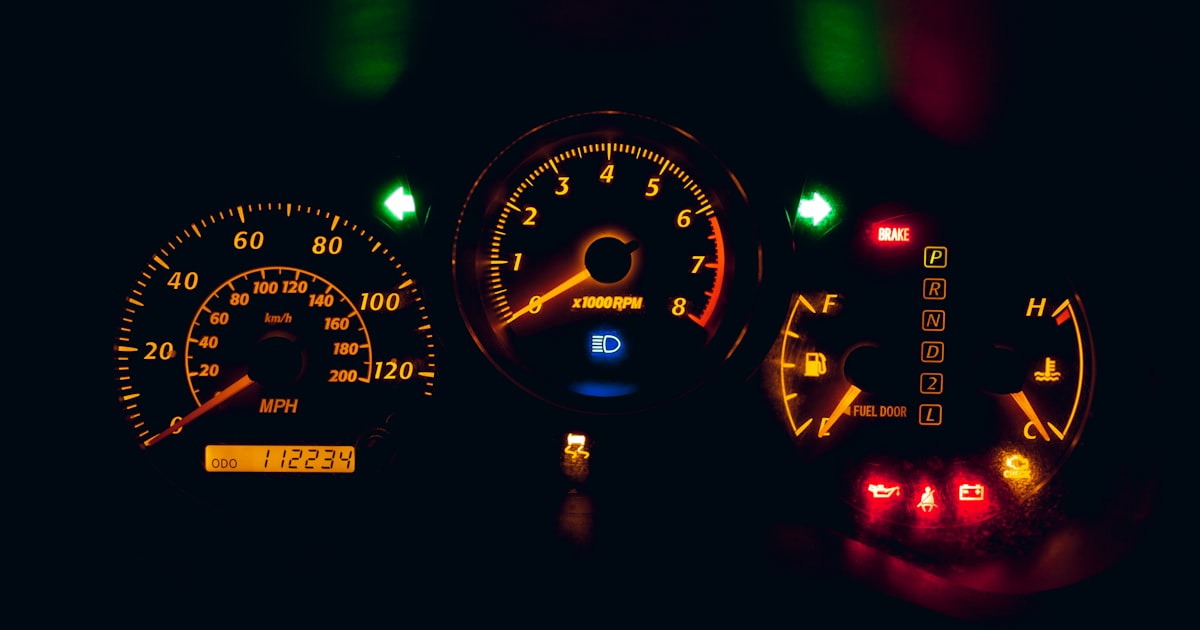
Photograph the dashboard warning lights. Save the dashcam clip if you have one. Note who you talked to and what they said. The manufacturer's lawyers will eventually have every internal record from the dealer; you want a parallel file from the consumer side.
The pre-suit notice and what it actually requires
For manufacturers on the AB 1755 track, you have to send a written notice to the manufacturer at least 30 days before filing suit. The notice must identify the vehicle, describe the defect and the repair history, and demand a remedy under the Song-Beverly Act (typically buyback or replacement). The 30-day window gives the manufacturer a chance to make a formal repurchase offer before litigation starts.
If the manufacturer makes an acceptable offer, the case may resolve without ever being filed. If it doesn't, the notice becomes part of the record establishing that you tried to resolve without litigation. For manufacturers not on the AB 1755 track, the pre-suit notice isn't legally required, but it's still a useful trigger for a serious offer in many cases.
Send the notice by certified mail with return receipt. Send a copy to the manufacturer's authorized lemon law representative if one is listed in your owner's manual or on the DCA's contact page. Keep the tracking receipt.
What you can recover
Civ. Code § 1793.2(d)(2) requires the manufacturer to either (a) replace the vehicle with one substantially identical, or (b) refund the price paid. The refund includes the down payment, all monthly payments made, the payoff balance on any loan, registration fees, sales tax, and incidental damages like rental cars or repair costs you fronted. The manufacturer is allowed to deduct a mileage offset for the consumer's use of the vehicle before the first nonconformity was reported, computed under the statutory formula.
Civ. Code § 1794(c) allows civil penalties of up to two times actual damages if the consumer proves the manufacturer's failure to comply with its warranty obligations was willful. Attorneys' fees are recoverable by the prevailing consumer under § 1794(d), which is what makes lemon law representation work on contingency for most California consumers.
The numbers add up. A two-times civil penalty on a $50,000 SUV with $15,000 in payments made and a $40,000 loan payoff can push total recovery north of $100,000 before fees, in cases where willfulness is proven.
Mediation under AB 1755 is mandatory but limited
For opted-in manufacturers, after suit is filed and the manufacturer answers, the parties have to attend a mediation within 150 days. Litigation pauses during that window. Discovery is limited to specific document exchanges and a small number of depositions. The mediator is selected by agreement; if the parties can't agree, a court-appointed mediator handles it.
If mediation fails, the case opens up to full discovery, depositions, expert work, and eventual trial. The mediation requirement was sold as a way to resolve clear-cut buyback cases without years of litigation. Whether it actually accomplishes that is being tested in real time across courts up and down the state.
Manufacturer arbitration programs are usually optional
BMW, Ford, GM, Honda, Hyundai, Kia, Mercedes-Benz, Subaru, Toyota, and Volkswagen, among others, run manufacturer-sponsored dispute resolution programs that handle warranty complaints outside court. Some are administered by BBB Programs, others through manufacturer-specific arbitration boards. Participation is generally optional for the consumer in California (it's mandatory in some other states). You can usually go straight to court without arbitrating first.
Two reasons consumers sometimes try arbitration first: it's free, and a decision usually comes within 40 days. Two reasons the same consumers regret it: the decision is often non-binding on the consumer but binding on the manufacturer, which sounds favorable but means a low offer from arbitration becomes a ceiling for later settlement; and the arbitrator's record becomes admissible if the case goes to court anyway.
For a clear-cut lemon (multiple repair attempts, dangerous defect, manufacturer offering nothing), the path most lemon law attorneys recommend is straight to a written demand and then to court. Arbitration is more useful for borderline cases where the goal is a fast small-dollar resolution.
If you bought a used car
Used vehicles sold with a written manufacturer warranty (still in effect at the time of sale) are generally covered by Song-Beverly. Certified pre-owned cars almost always qualify. Used cars sold "as-is" generally don't, though there are exceptions, including the federal Used Car Rule and California's specific used car buyer protections through the DCA.
If a defect appears on a used vehicle still under the manufacturer's powertrain or bumper-to-bumper warranty, the same Song-Beverly framework applies for that defect. The repair counts under the presumption test even if the prior owner had repair attempts on the same defect, in some cases.
Frequently asked questions
What qualifies a vehicle as a lemon under California law?
Under California Civil Code § 1793.22, a vehicle is presumed to be a lemon if, within the first 18 months or 18,000 miles, the manufacturer's authorized dealer made at least two repair attempts for a serious safety defect (after written notice), four or more repair attempts for the same defect, or kept the vehicle out of service for more than 30 cumulative days. Outside that window, you can still qualify, but the automatic presumption doesn't apply.
What is the $3,000 rule for lemon law in California?
There is no $3,000 rule that triggers a lemon law right. The figure typically refers to the cost of repair attempts, but the California presumption test under Song-Beverly is based on the number of repair attempts and days out of service, not a dollar threshold. Some manufacturer warranty programs use $3,000 of warranty repair cost as an internal trigger for buyback review, but it's not a statutory consumer right.
How does AB 1755 change my lemon law claim?
AB 1755 changed the procedural rules for claims against manufacturers who have opted in under SB 26. For opted-in manufacturers: a one-year-after-warranty-expiration limitations period (capped at six years from delivery), a mandatory 30-day pre-suit notice, and mandatory mediation within 150 days of the manufacturer's answer. For manufacturers who have not opted in, the older Song-Beverly procedural framework continues to apply. Substantive remedies (refund or replacement, civil penalties up to 2x, attorneys' fees) didn't change.
Can I sue a dealership for selling me a used lemon?
Possibly. If the used car was sold with a written warranty still in effect (including any remaining factory warranty), Song-Beverly typically applies and the manufacturer is the primary target. If the dealer made specific factual misrepresentations about the vehicle's condition or history, a separate fraud or Consumer Legal Remedies Act claim against the dealer may also apply. Used cars sold strictly "as-is" with no written warranty fall outside Song-Beverly in most cases.
What can I recover if my car is declared a lemon?
The remedy is either replacement with a substantially identical vehicle or a refund of the purchase price, including down payment, all payments made, the loan payoff, registration fees, sales tax, and incidental damages. The manufacturer can deduct a statutory mileage offset for use before the first nonconformity. If you prove a willful violation under Civ. Code § 1794(c), you can recover up to two times actual damages as a civil penalty. Prevailing-party attorneys' fees are recoverable under § 1794(d).
How long do I have to file a California lemon law claim?
It depends on whether your manufacturer opted in under SB 26. For opted-in manufacturers under AB 1755, you must file within one year after the express warranty expires, and no later than six years from original delivery. For manufacturers who have not opted in, the older four-year statute under California's general warranty rules continues to apply, generally measured from when the consumer discovered or should have discovered the defect was unrepairable.