The Neighbor's Fence Was on the Wrong Side of the Property Line for 20 Years. Now They're Claiming the Land.
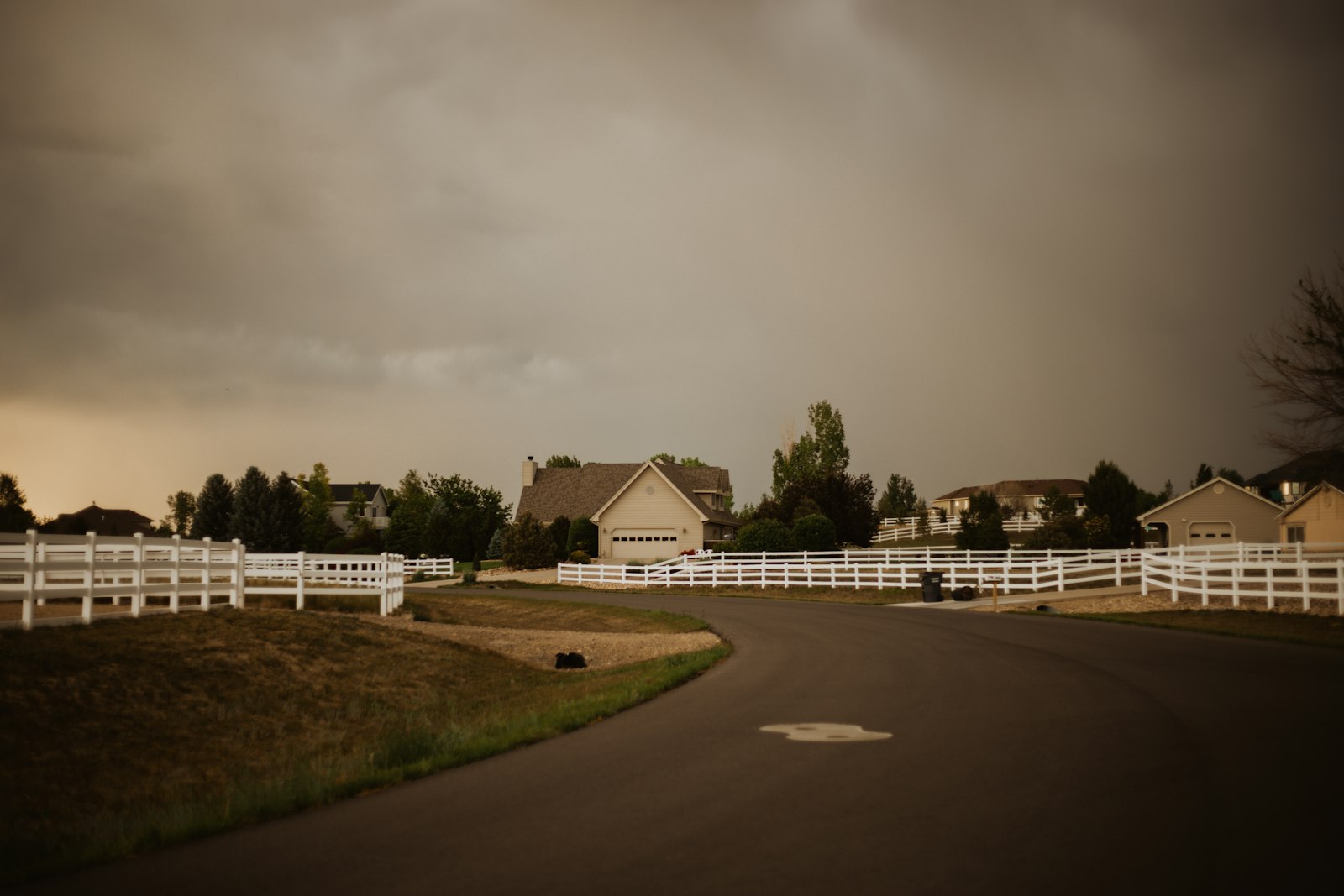
A fence that crosses the property line can turn into a legal nightmare. Here's what you need to know about adverse possession claims, boundary disputes, and protecting your property.
[rank_math_toc]The Fence That Changed Everything: A Reddit Story
So here's how it typically starts. Someone gets a call or a knock on the door from their neighbor. "Hey, we should talk about that fence between us." Sounds innocent enough. But then it gets weird.
Let me tell you what actually happened to a homeowner on Reddit's r/legaladvice. This person's neighbor approached them about fixing the boundary fence. Seemed reasonable. The neighbor wanted to split costs on a new fence, which is pretty standard. But there's one thing our homeowner wanted first: a survey. Just to make sure everything's legit and on the actual property line.
"My neighbor asked to share funding for new fence. I said I wanted a survey done to make sure it follows property line and she said 'I thought we could be amicable about this.' She said it followed the property stakes that were there, and I allowed it and paid $200 of the $4,000 fence. I got it surveyed after since she admitted to having a shed '4 inches' in my property. The new/old fence line turns out to be crooked 11 inches to 2.5 ft on my property!"
— u/Electronic-Ad-6934 on r/legaladvice
Yeah. 11 inches to 2.5 feet off. That's not a surveying rounding error. That's a fence that's significantly on their property. And things only got worse from there.
The neighbor's response? She claimed adverse possession. Just flat-out said she had a right to that land because it was hers. But here's the crazy part. She wouldn't go to court to actually prove it. She'd claim the right but refuse to back it up legally.
"She's claiming adverse possession and yet refuses to go to court to actually file the claim."
— u/Electronic-Ad-6934 on r/legaladvice
But then they tried to actually fix it. They hired a fence contractor to move the fence to the correct line. And then everything went sideways.
"I hired a fence guy and the neighbors threatened to shoot him. Police got called and said we have to deal with court."
— u/Electronic-Ad-6934 on r/legaladvice
Threats. That's when you know a neighborly dispute has become a real problem. So they had to stop. And then the inevitable happened.
"They filed lawsuit after I moved the fence for 'mutual agreement and acquiescence' adverse possession. We'll see what happens, they are the worst neighbors."
— u/Electronic-Ad-6934 on r/legaladvice
And that's story one. But there's another one, and it's even messier because it comes from the other perspective. Another Reddit user had their neighbor sue them over a fence encroachment, and they were absolutely terrified.
"A week later, I received a letter from Tom's lawyer claiming I had infringed upon his property and that he was seeking compensation for 'damages' incurred by the fence occupying his 'airspace' (whatever that is). The lawyer said he'd also sue me if I did not remove the fence."
— via r/legaladvice
So they got the lawyer letter. That's always scary. But it got worse. The neighbor started obsessing over this fence. Taking pictures. Making accusations. Building a case, or at least he thought he was.
"I have no cash to fight this in court and I am freaking out that I may lose my home in case the court decides in his favor and makes me purchase the land or even remove the fence. Plus, Tom has started calling me names whenever he sees me and taking pictures of the fence as 'evidence.'"
— via r/legaladvice
This is where the fear sets in. Real fear. Like, will I lose my house fear. And that's exactly what we need to talk about now. Because here's the truth that needs to come after all those stories: that fear is real, but it's not justified. At least not yet. Not unless you've let this go on for a decade or more.
What Adverse Possession Actually Is (And Why Your Neighbors Probably Don't Have a Claim)
Okay, now that you've heard what actually happened to these people, let's talk about the law. Adverse possession is a legal doctrine that can transfer property ownership from one person to another, even without a deed or agreement. It sounds wild because it is. But it doesn't happen automatically just because your neighbor built a fence on your land last Tuesday.
For adverse possession to work, your neighbor needs to satisfy several strict requirements. These elements vary by state, but they typically include:
- Actual possession: The neighbor must actually use or occupy the land in question.
- Open and notorious: The possession must be visible and obvious, not hidden or sneaky.
- Exclusive possession: The neighbor can't share the land with you or the public.
- Continuous: The possession must be uninterrupted for a statutory period.
- Hostile or adverse: The possession must be without your permission (though "hostile" doesn't mean aggressive; it just means lacking legal right).
Here's the crucial part: that statutory period. This isn't something that happens overnight. In most states, adverse possession requires 7 to 21 years of continuous occupation before a neighbor could theoretically claim ownership. Some states are shorter; some are longer. It depends entirely on where you live.
The variation is significant. California requires only 5 years of adverse possession, making it one of the shorter thresholds in the country. Texas extends that to 10 years. Some states like Florida and New York reach 15 years or more. A few older states still maintain 20-year periods, though this is becoming rarer. The key takeaway is that no state allows adverse possession to happen in a year or two, but the exact timeline matters enormously for your specific situation. Check your state legislature's adverse possession statute to know your precise deadline. This information is public and usually available on your state's legislative website.
So here's the real question: how long has the fence been there? Days? Months? A year? If it's been less than a decade in most states, you're not facing an adverse possession claim that would hold up in court. But if your neighbor has been using that strip of land for 15 years without your permission, and you've done nothing to stop them, the legal picture gets hazier.
Remember that first homeowner from the Reddit story? The one with the fence that was crooked 11 inches to 2.5 feet onto their property? That neighbor was claiming adverse possession but wouldn't go to court. Here's why that matters: if your neighbor truly had a rock-solid adverse possession claim after meeting all those elements for the full statutory period, they'd be confident going to court. The fact that they're refusing suggests they know they don't have the legal foundation they need.
What matters right now is what you do next. The fence is here. Your neighbor either claims some right to that land, or they're simply not backing down. Either way, you need a strategy that protects your property and stops the clock on any potential adverse possession claim.
Step 1: Get a Professional Survey (It's Your Best Defense)
Before you do anything else, you need absolute clarity about where your property line actually is. This is where a professional land survey comes in. A surveyor will locate your property boundaries with precision, using property records, deed descriptions, and physical markers. They'll produce a document that shows exactly where your land ends and your neighbor's begins. The American Land Title Association (ALTA) sets national standards for professional surveys, so you can be confident in the accuracy and legal standing of a properly conducted survey.
Why does this matter? Because once you have a professional survey in hand, you have documentation. You have proof of where the line is. If your neighbor's fence crossed that line, you have evidence. If you ever end up in court (and most of these situations don't), a professional survey is worth its weight in gold. It's not just your word against theirs anymore.
A professional survey typically costs between $300 and $1,000, depending on your property size and location complexity. Yes, that stings. But compared to the cost of a property line dispute that goes to court, or worse, losing part of your property to an adverse possession claim, it's one of the smartest investments you can make.
Beyond the legal side, a survey also gives you concrete information about fixing the problem. If the fence is 18 inches over the line, now you know exactly how far over it is. You and your neighbor can have an informed conversation about moving it, removing it, or sharing the cost of fixing it. Sometimes neighbors respond better when they see the actual measurements rather than just hearing complaints.
And here's the thing: surveyor disagreements happen. One homeowner posted about a situation where their neighbor insisted their survey showed the property line 25 feet into their land. If two surveys disagree, you have a real boundary dispute on your hands. You may need to resolve this through quiet title action (a court process to officially determine property boundaries), but at least you'll have professional documentation supporting your position.
Your Defense: How to Stop an Adverse Possession Claim Before It Starts
Here's the thing about adverse possession: it requires continuity. It requires the neighbor to possess the land openly, without permission, for the entire statutory period. Interrupt that at any point, and the clock resets. This is your power.
Once you know the fence is on your property (which your survey will confirm), you need to take action that clearly shows you don't consent to your neighbor's use of that land. This doesn't have to be aggressive or combative. It's just official.
Some effective options include:
- Send a written notice: A formal letter from you (or your attorney) stating that your neighbor's fence encroaches on your property and that you do not grant permission for them to use this land. Keep a copy. This creates a paper trail.
- Record a notice of non-consent: Some states allow you to record a formal notice at the county recorder's office stating that the neighbor's use is without your permission. This is public record and very hard to argue against later.
- Physically interrupt the possession: You could fence your own property on the correct line, mow the disputed area yourself, or post no-trespassing signs. The key is making it clear you're asserting ownership and preventing exclusive use by the neighbor.
- Grant and revoke permission: If you've been allowing the neighbor to use the land, you can send a written notice revoking that permission. This changes the legal character of their possession from "hostile" to "permissive," which doesn't count toward adverse possession.
The timing here is critical. The sooner you act after discovering the encroachment, the stronger your position. You can't let years go by and then suddenly claim you never consented. But if you act now, you're demonstrating that you're actively asserting your property rights.
For a fence situation, many property owners start with a calm conversation backed by their survey. "Hey, I had a survey done, and the fence is eight inches on my side of the property line. Let's work together to move it to the correct location." Sometimes that works. If it doesn't, you escalate to a formal letter from an attorney. If that doesn't work, you move toward legal action. But at every step, you're creating evidence that you never consented and that you're actively asserting ownership.
Escalation: When You Need a Lawyer
A fence dispute might start as a neighborly problem, but it can quickly become a legal one. If your neighbor refuses to acknowledge the encroachment after you've shown them the survey, or if they're openly claiming adverse possession rights, you need professional help. Finding a qualified real estate attorney in your area is easier than you might think. Your local bar association often maintains a lawyer referral service, and many state bar websites let you search for real estate lawyers with specific experience in property boundary disputes. A consultation with the right attorney can clarify your options, costs, and timeline.
Several legal tools exist specifically for these situations. One of the most common is a quiet title action, which is essentially a court case to officially determine and clarify property boundaries. This isn't as dramatic as it sounds. It's a straightforward legal procedure, especially when the facts are clear: survey in hand, neighbor built the fence, they're claiming rights to your land. A quiet title action removes all doubt about who owns what and prevents future disputes over the same land.
Another option is simply suing for trespass or nuisance if the neighbor is actively using or accessing the land through the encroaching fence. This is more aggressive than quiet title but also more expensive. Most property lawyers recommend quiet title first because it cleanly resolves the ownership question.
Some states also have specific procedures for boundary disputes. Check your state's statutes on adverse possession at the Cornell Law Institute and property boundary resolution. Many states have detailed requirements for how and when these claims can be made, and those requirements often work in your favor if you act quickly.
Before you hire a lawyer, gather everything: your deed, your mortgage documents, any surveys (yours and the neighbor's, if you can get it), photos of the fence, and correspondence with the neighbor. A consultation with a real estate attorney typically costs $200 to $500 and can clarify exactly what your options are in your specific situation.
What to Do Right Now
That homeowner from the Reddit posts who was terrified of losing their house over a fence? They're not wrong to take it seriously. Property disputes are stressful, and they can be expensive. But losing your home to adverse possession for a fence that's been there a couple of years? That's extremely unlikely if you act now.
The timing of your response is critical. Each week you wait without objecting strengthens your neighbor's position slightly, so moving quickly protects you. What happens next depends on your situation. If the fence just went up, a polite but firm conversation backed by a survey might resolve it. If your neighbor is digging in their heels and claiming rights they don't have, you escalate to attorney involvement and potentially quiet title action. If the fence has somehow been there uncontested for 15 years and you've never objected, you're in a different situation that requires more aggressive legal remedies.
The sooner you discover an encroachment, the stronger your legal position becomes. Some homeowners make the mistake of hoping the problem resolves itself. It won't. But in most fence disputes, the homeowner has time, documentation, and the law on their side. You just need to act. Don't sit on this hoping it goes away. Get a survey, send a notice, and if necessary, get legal help. Your property is worth protecting. The cost of a survey ($300-$1,000) and an attorney consultation ($200-$500) is a small investment compared to the risk of losing part of your property or facing years of litigation.
FAQ: Your Adverse Possession and Fence Questions Answered
Can my neighbor actually take ownership of my land just by building a fence on it?
No, not immediately. Your neighbor would need to openly occupy the land continuously for the statutory period (usually 7 to 21 years, depending on your state) without your permission and meet all other legal requirements. A recent fence doesn't meet these criteria. But if you do nothing for years, the situation changes. Act now, and you're protected.
How long does a fence have to be on my property before adverse possession applies?
This depends entirely on your state. Most states require 7 to 21 years of continuous, open, exclusive, and hostile possession. Some states have shorter periods (5 years in some cases); others are longer. Check your state's adverse possession statute to know your specific timeline. The key is that you have years, not months, to address this before any real risk exists.
Do I need a survey to prove the fence is on my property?
A professional survey is the gold standard for proving boundary lines, but it's not always legally required to file a lawsuit. Your deed and property records are the official documents of ownership. However, if there's any dispute about where the line actually is, a survey removes all ambiguity and becomes powerful evidence. It's worth the investment.
What should I do if my neighbor refuses to move the fence?
First, send a formal written notice stating that the fence encroaches and you don't consent to its presence. Keep documentation of all communication. If they refuse, consult a real estate attorney about filing a quiet title action, which is a court process to officially clarify property boundaries. This is usually faster and cheaper than other litigation options and gives you a clear legal determination.
Can I remove the fence myself if it's on my property?
Legally, you own the space the fence sits on, so theoretically you could remove it. But practically, this can escalate the conflict and create criminal liability issues depending on your state. It's smarter to go through legal channels. An attorney can send a demand letter, and if that doesn't work, you can get a court order requiring the neighbor to remove it. This protects you legally.
What if my neighbor's survey and mine show different property lines?
This is a legitimate boundary dispute, and both surveys might have different conclusions based on how they interpret old property records or monuments. When surveys conflict, you typically need a quiet title action to have the court officially resolve which boundary is correct. This is precisely what quiet title exists for. It's common and manageable, though it does require court involvement.